
Tube rolling, cleaning and testing tools for heat exchangers.
Servo-controlled rolling with a torque record for every joint — plus the support to get it right on the first tube.
What do you need to do?
Roll tubes with controlled torqueServo, electric, hydraulic and air-driven tube rollers, and condenser tube expanders.Clean fouled tubesRotary tube cleaners for condensers, chillers and boilers, and an automated tube cleaning robot.Pull tubes for a retubeThe Tube Traveller hydraulic tube removal system.Find leaks and verify jointsVacuum leak detectors, dynamic torque testers and tube ID gauges.
Tube rolling systems and key equipment
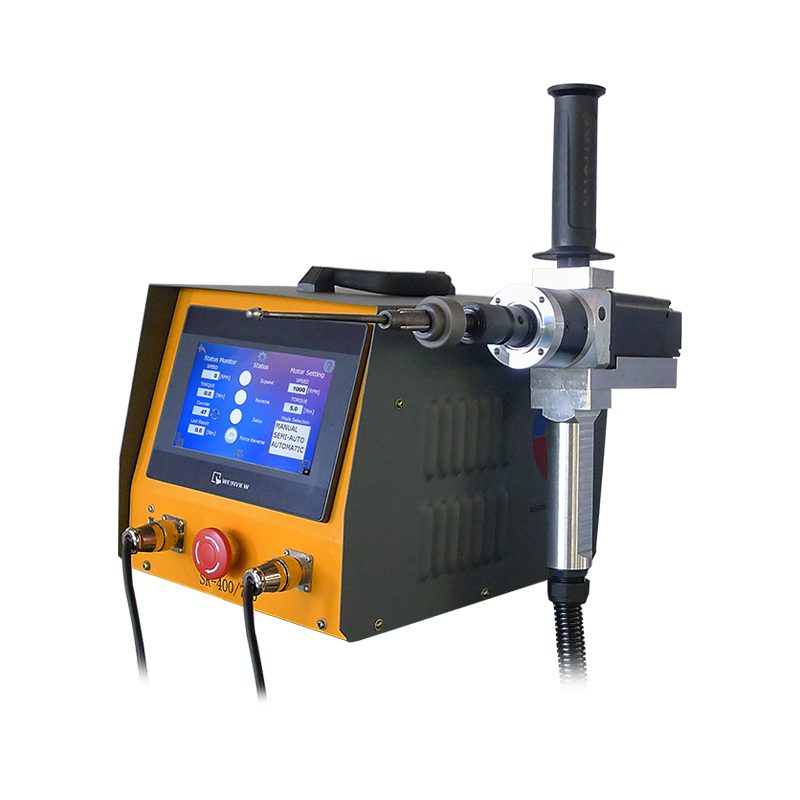 SR Series Servo Motor Tube RollerServo-driven tube rolling with 1% torque repeatability and a recorded history for every rolled joint.
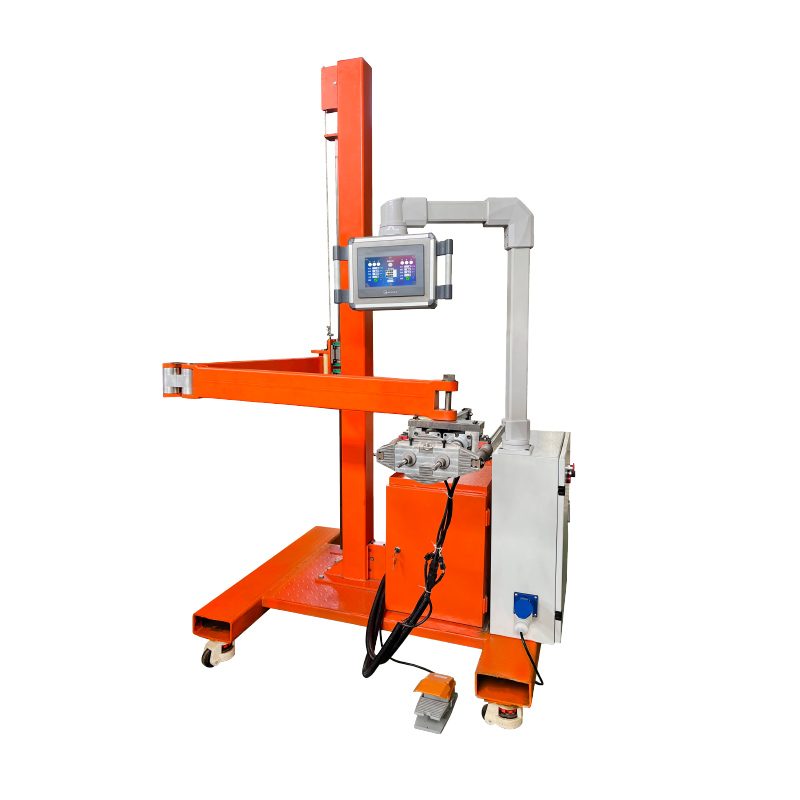 SRD Dual Servo Motor Tube Rolling SystemRolls two tubes at once with servo torque control, torque recording and automatic continuous mode.
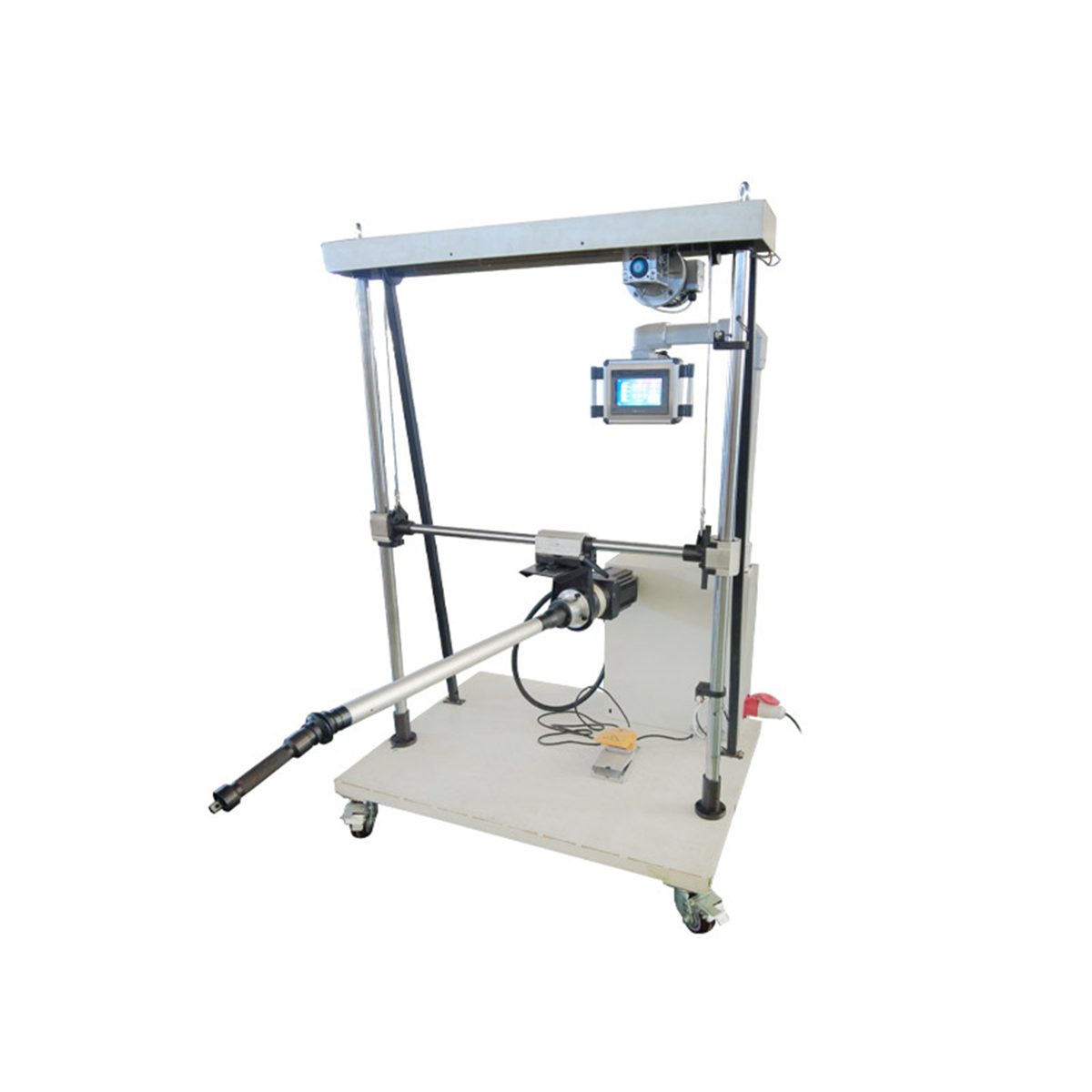 XR Series Tube RollerServo tube roller with a telescopic shaft that holds rolling torque so the operator does not feel it.
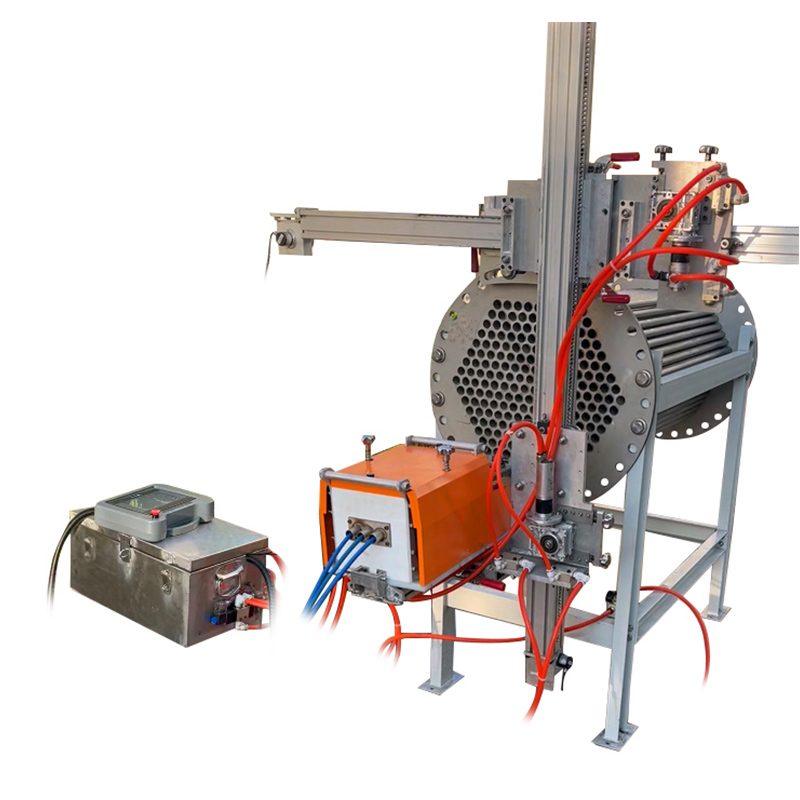 Heat Exchanger Tube Cleaning RobotCleans heat exchanger and condenser tubes with high-pressure water, three tubes at a time.
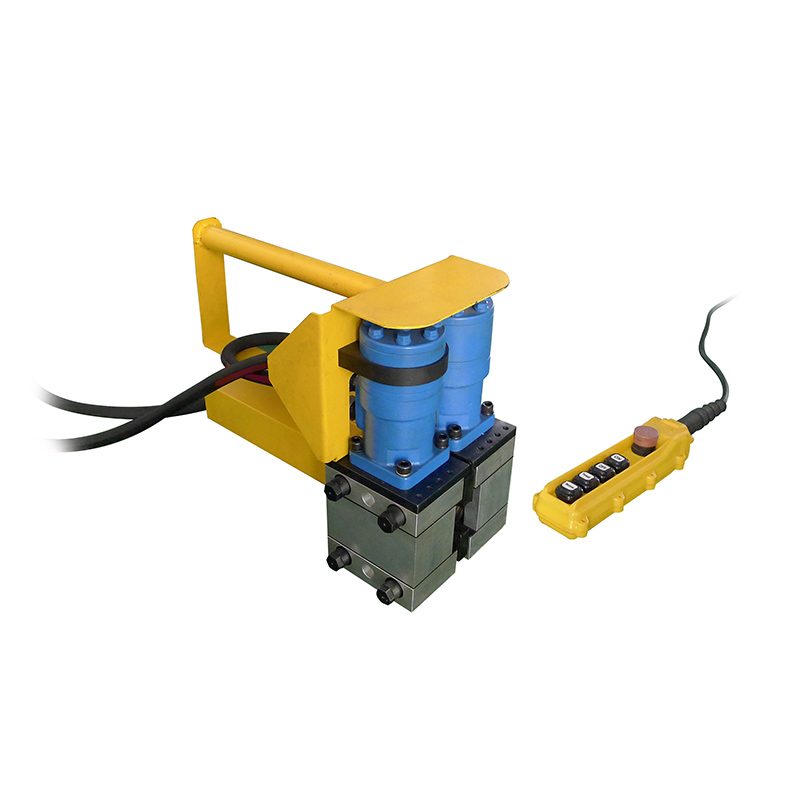 Hydraulic Tube Traveller (Tube Extractor)Grips, flattens and pulls tubes out of heat exchangers and condensers with hydraulic power.
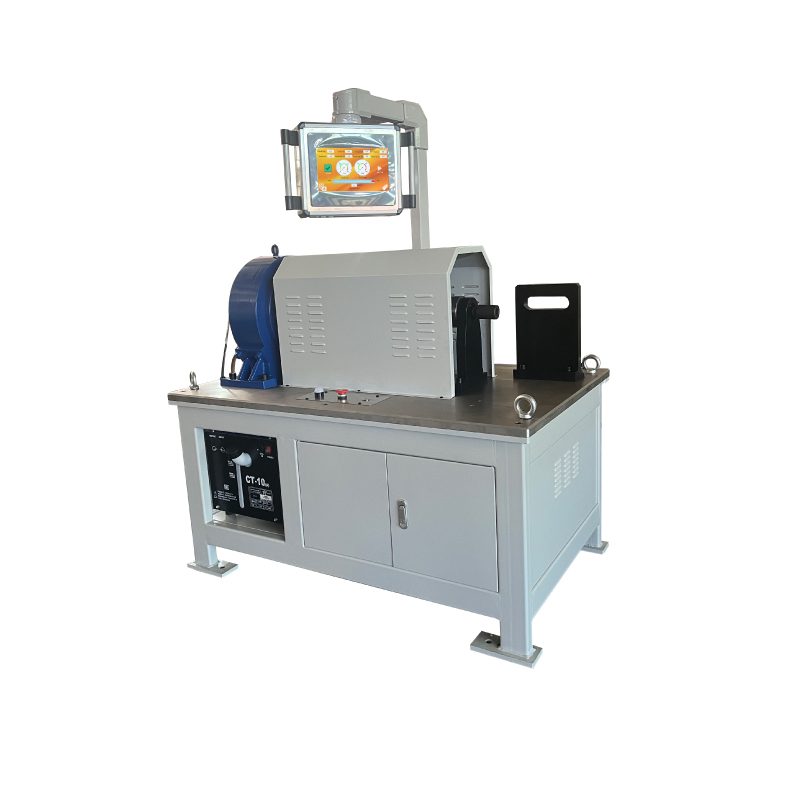 TQM Series High-Speed Dynamic Torque TesterMeasures tube roller torque and speed under load while the tool runs at full speed.
Why engineers work with Alpha
1
Controlled, recorded rolling
The SR servo system holds the set torque at any speed and records every rolled joint for USB export. TQM testers verify the tools.
2
Shorter outages
Automated tube cleaning and hydraulic tube removal speed up the slowest steps of a retube.
3
Help to get it right
Send us tube OD, gauge, material and tubesheet thickness. We recommend the expander, the roller and the rolling torque.
Common problems we solve
How to Set Tube Rolling Torque for Different Tube Materials and SizesThere is no single correct rolling torque. Set it by trial rolling the actual tube and tubesheet material, measure the wall reduction you get, and lock the torque that meets the design.Read the guideRolled Tube Joints Leaking After Hydrotest: Causes and FixesMost rolled joints that leak on hydrotest were under-rolled, over-rolled, or rolled into a dirty or oversized tube hole. Find the leaking joints one by one, re-roll at the correct rolling torque, and replace any tube that still leaks or has a cracked end.Read the guideHow Do I Produce Traceable Tube Rolling Records for Inspectors and Owners?Use tube rollers that record each joint and export the data, calibrate them regularly with a dynamic torque tester, and file the records by tubesheet and joint number. This replaces slow, error-prone handwritten logs with records you can hand over with the final documentation.Read the guideRolling Titanium Condenser Tubes: What to Watch ForTitanium condenser tubes are easy to over-roll because the walls are thin, and easy to under-roll because titanium springs back more than copper. Clean tube holes, set rolling torque from trial rolling, and roll every joint at the same controlled torque with a five-roll tube expander.Read the guideHow Do You Retube a Condenser on a Tight Outage Schedule?Most condenser retubes overrun because tools are late or too few and crews hand work back and forth. Fix it before the outage: calculate the daily output each step needs, size the tool set to match, prove out rolling and welding in advance, and run pulling through welding with one crew.Read the guideHow to Find Leaking Tubes in a CondenserTake the condenser off line and vacuum-test every tube with a vacuum tube leak detector (VTLD). An unstable gauge reading marks a leaking tube. Then check the tube-to-tubesheet joints with a vacuum joint leak detector (VJLD) to separate tube leaks from joint leaks.Read the guide
Industries we serve
Power generation
Surface condensers, feedwater heaters and boiler tubes.
Refining and petrochemical
Shell-and-tube exchangers and fin-fan coolers.
Chemical processing
Process heat exchangers and reaction vessels.
HVAC and refrigeration
Chillers, condensers and evaporators.
Heat exchanger fabrication
Tube rolling and testing for new bundles.
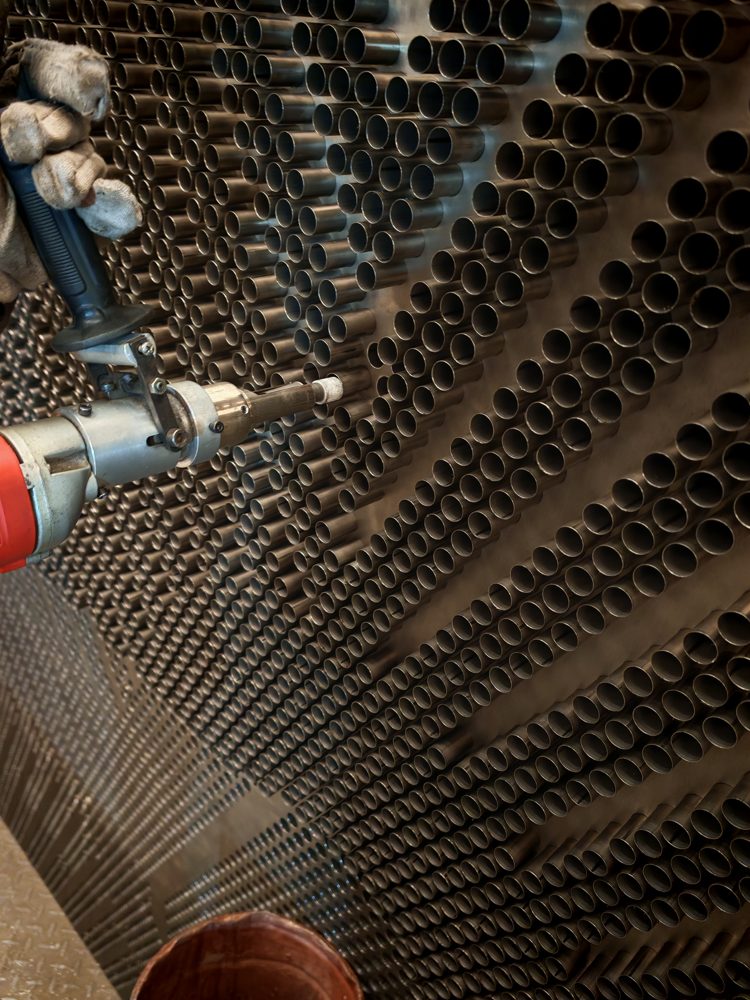
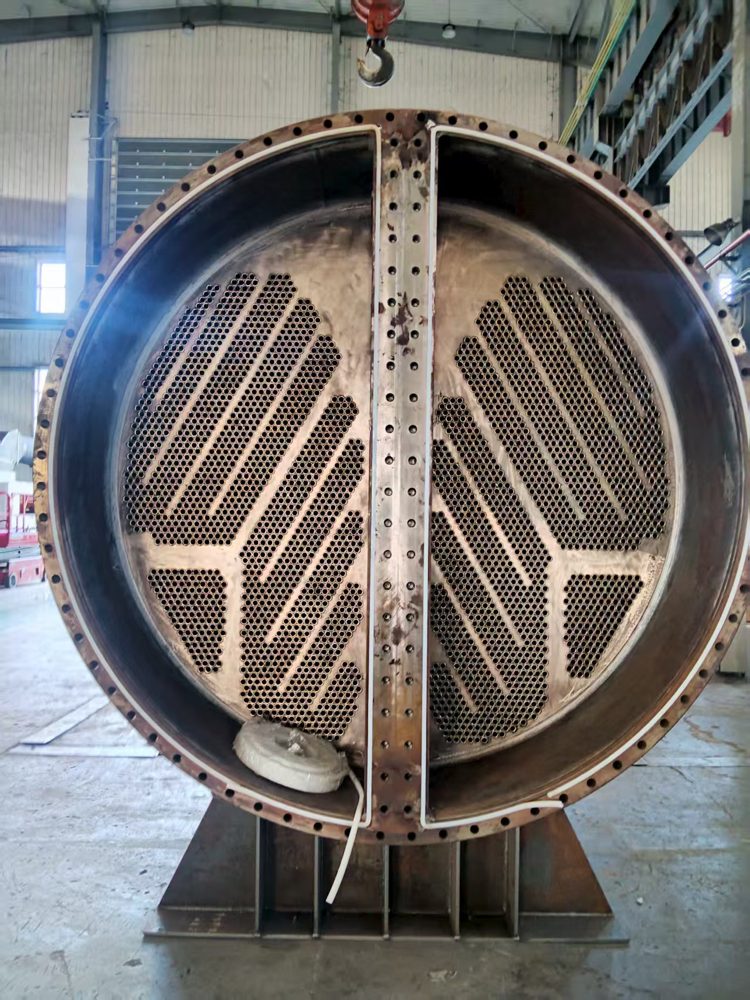
Application examples
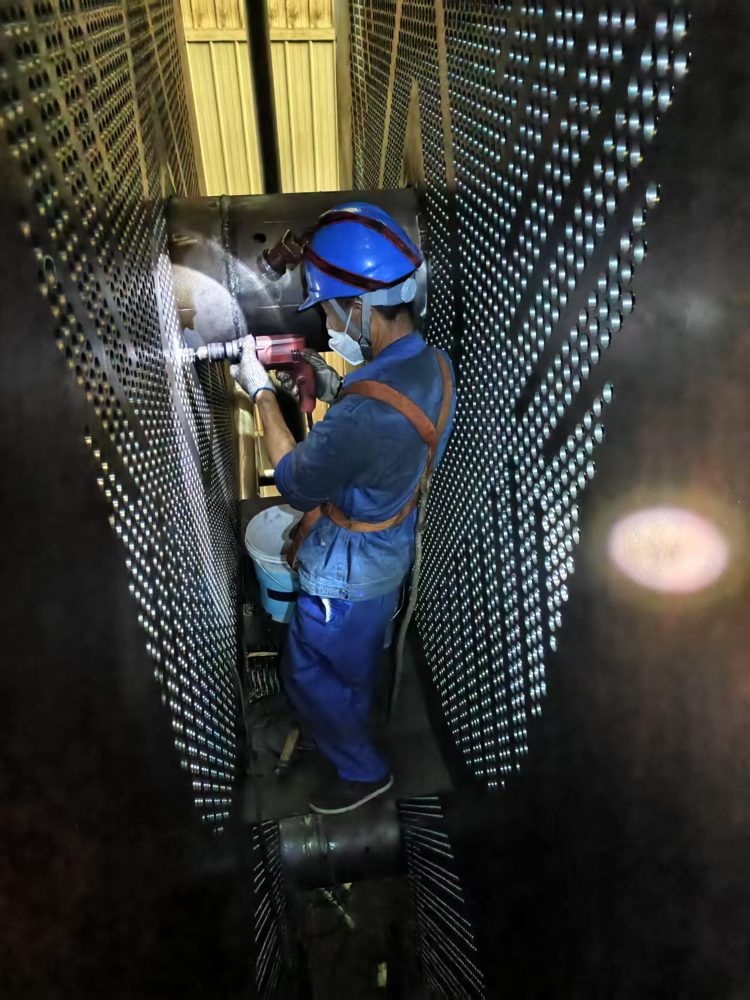
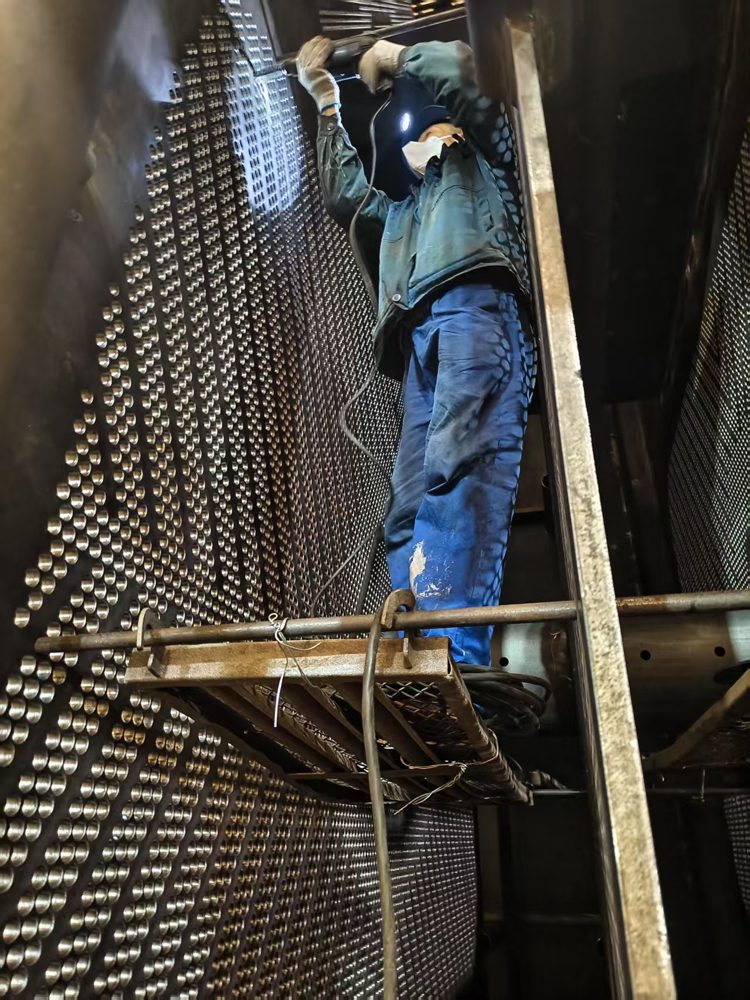
Send us your tube data. We'll recommend the tools.
Tube OD, gauge, material and tubesheet thickness are enough to start.