Rolling Titanium Condenser Tubes: What to Watch For
Titanium condenser tubes are easy to over-roll because the walls are thin, and easy to under-roll because titanium springs back more than copper. Clean tube holes, set rolling torque from trial rolling, and roll every joint at the same controlled torque with a five-roll tube expander.
Common causes
Most titanium joint problems come from a narrow torque window and poor tube hole preparation.
- Thin walls: a little extra rolling torque over-rolls the tube.
- Spring-back: titanium springs back more than copper, so low torque leaves the joint loose.
- Tube hole condition: with dissimilar tubesheet materials, the surface condition of the tube hole has a big effect on sealing.
How to diagnose
Check trial joints before you roll the bundle, and verify finished joints before the unit goes back in service.
- Measure the tube ID after trial rolling and calculate the wall reduction.
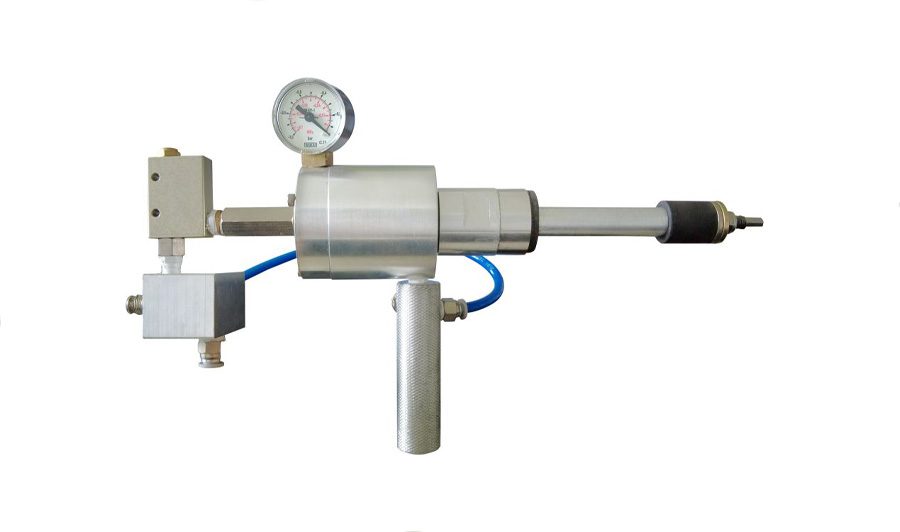
- Hydrotest the bundle, or check individual joints with a vacuum joint leak detector.
How to fix it
Work through tube hole preparation, drive, expander and records in that order.
- Clean the tube holes with wire brushes or flap wheels to remove corrosion and oil.
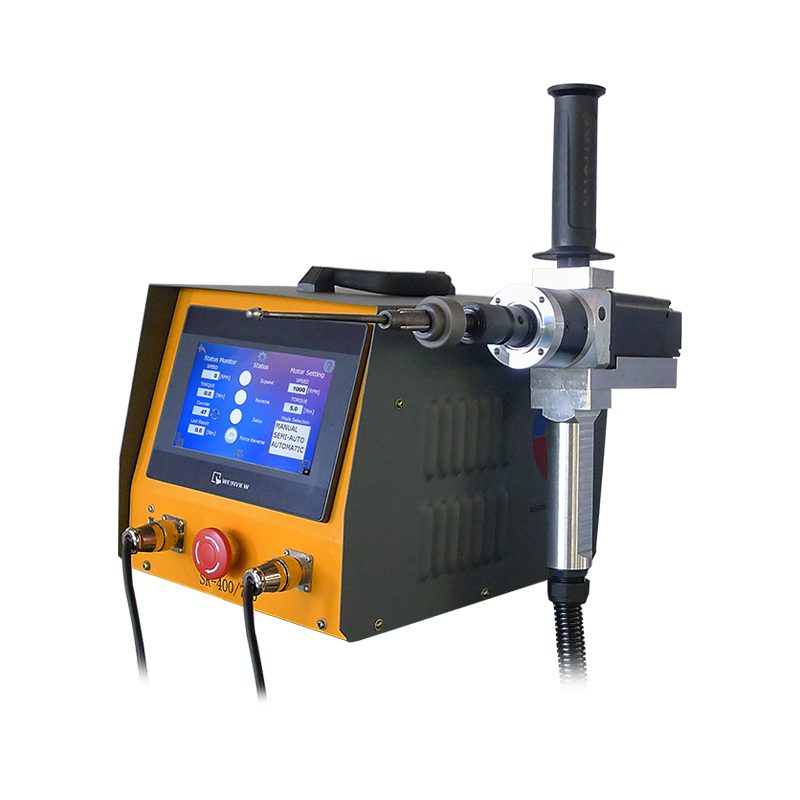
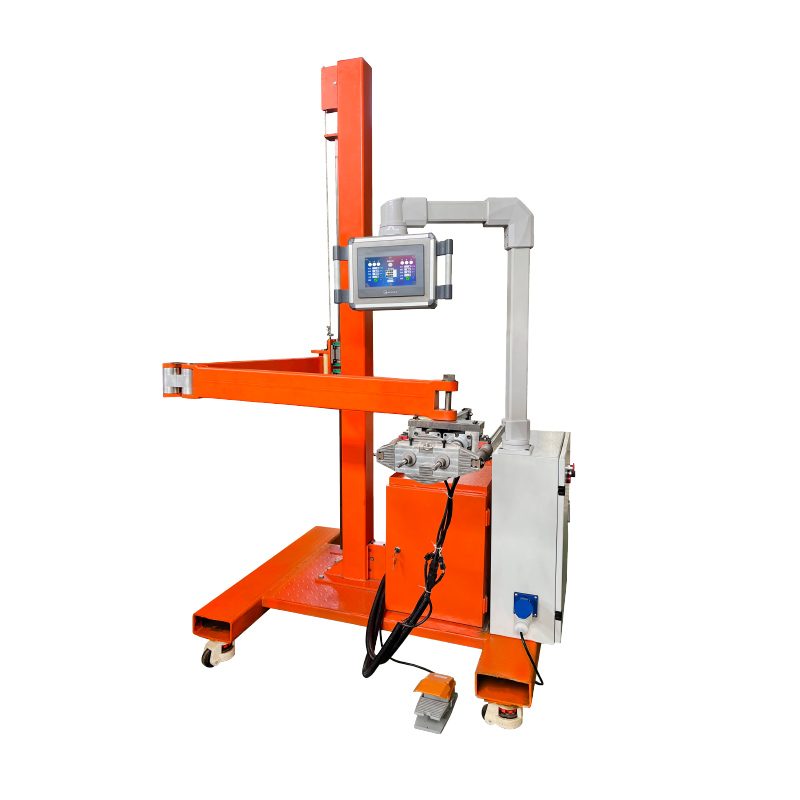
- Use a constant-torque servo tube roller so every joint is rolled to the same torque.
- Use five-roll tube expanders for more even rolling around the tube circumference.
- Set rolling torque from trial rolling, and keep a record for every joint. On nuclear projects this is essential.
Hazardous areas
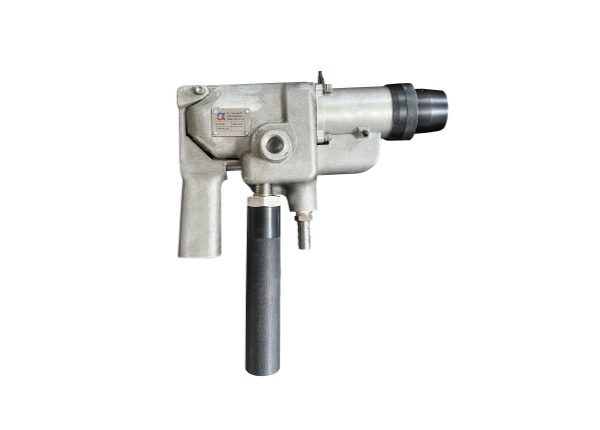
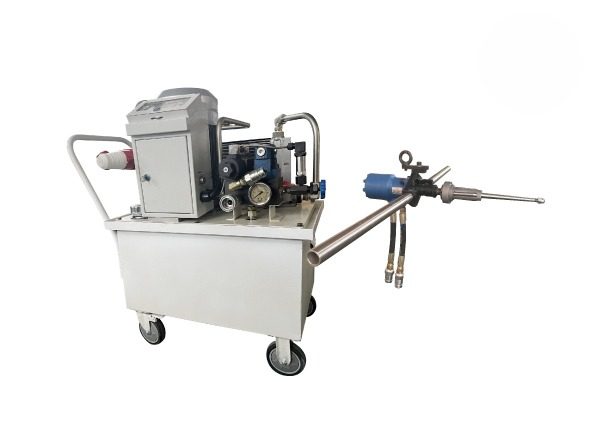
Servo and electric tube rollers are not for hazardous (classified) areas. If the condenser is in a classified area, use an air-driven or hydraulic tube roller, and make sure the drive or power unit is certified for the area classification on site.
What to send us
Send this data and Alpha's application team can recommend the tube roller and tube expanders for your job.
- Tube material, OD and wall thickness (in, mm or BWG)
- Tubesheet thickness and tube hole size
- Number of tubes
- Site conditions: electric power or air supply, and whether the area is classified as hazardous
- Required delivery date or outage dates
Frequently asked questions
What tube roller should I use for titanium tubes?
A constant-torque servo tube roller that records every joint, used with five-roll tube expanders. In a hazardous (classified) area, use an air-driven or hydraulic tube roller with a drive or power unit certified for the area classification instead.
How do I know if a titanium joint is over-rolled or under-rolled?
Measure the tube ID after trial rolling and check the wall reduction. Then hydrotest or check the joints with a vacuum joint leak detector.
Why do titanium tubes leak after rolling when copper tubes in the same tubesheet did not?
Titanium springs back more than copper, so torque that worked for copper can leave the joint loose. Tube hole surface condition also matters more with dissimilar tubesheet materials, so clean the holes and set torque from trial rolling.