How Do I Produce Traceable Tube Rolling Records for Inspectors and Owners?
Use tube rollers that record each joint and export the data, calibrate them regularly with a dynamic torque tester, and file the records by tubesheet and joint number. This replaces slow, error-prone handwritten logs with records you can hand over with the final documentation.
Common causes
When inspectors or owners ask for rolling records and the crew cannot produce them cleanly, the root cause is usually one of two things.
- Records are kept by hand. Manual logging is slow and error-prone, especially across thousands of joints and several shifts.
- The tube rollers in use cannot record anything. With no stored data, there is nothing to export or audit after the job.
How to diagnose
Start with the requirement, not the equipment. Read the contract or inspection plan before the job starts.
- Confirm which data the contract or inspection plan requires.
- Confirm the format the records must be delivered in.
How to fix it
Once the requirement is clear, match the tools and the filing method to it.
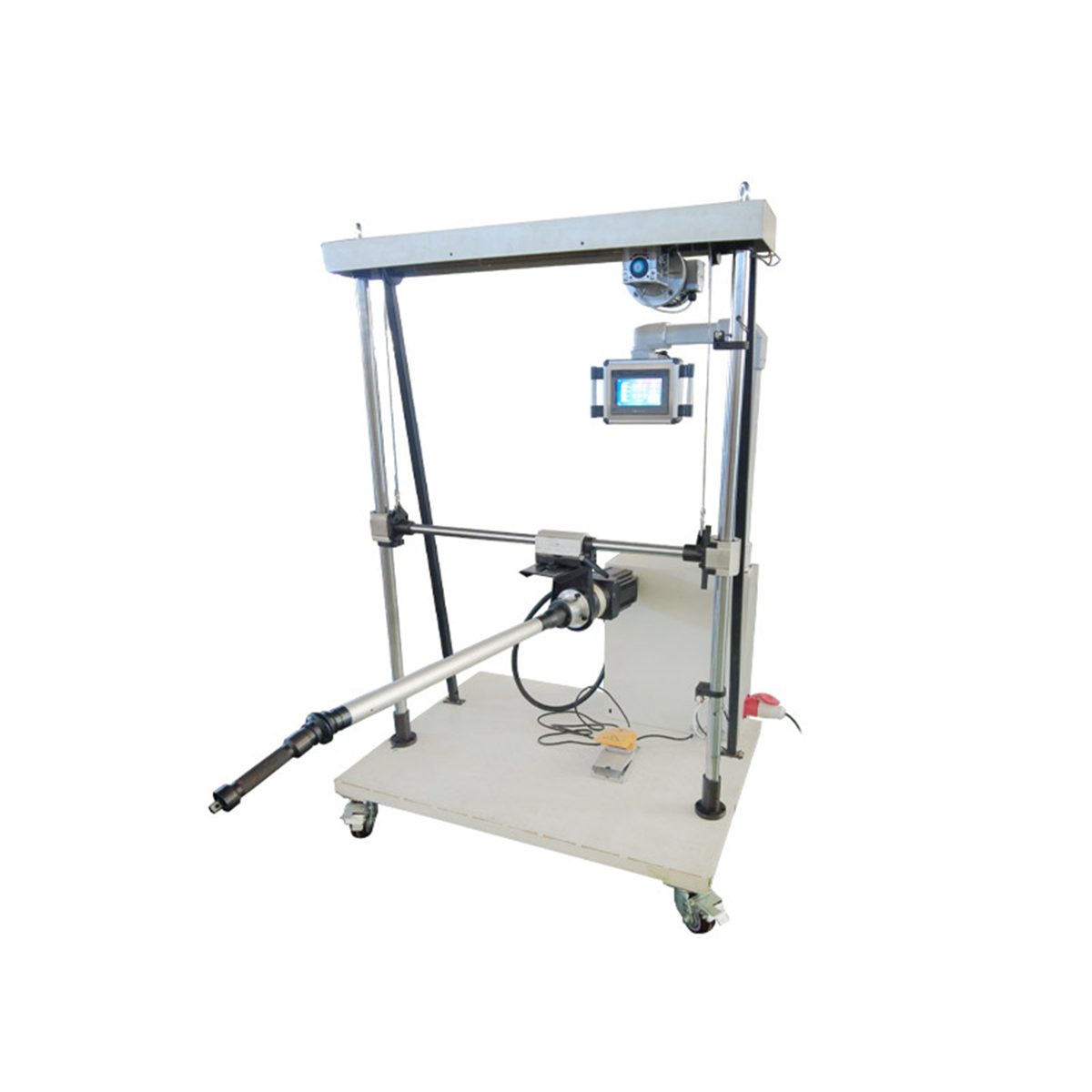
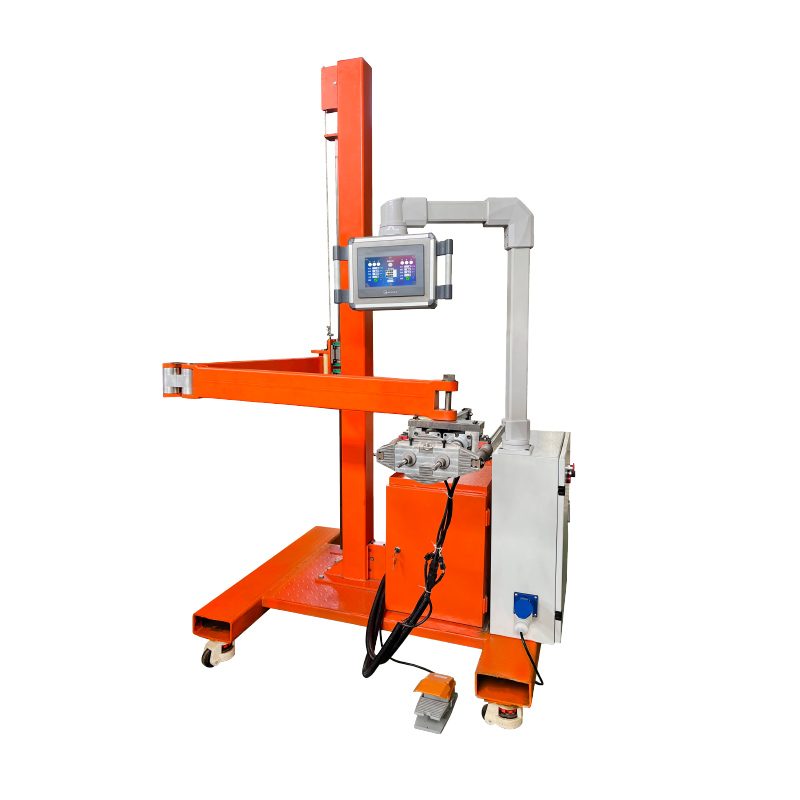
- Use tube rollers with recording. Alpha's servo systems, including the XR Series Tube Roller and the SRD Dual Servo Motor Tube Rolling System, export records via USB. Electric tube rollers with per-joint recording are also available; Alpha can recommend the right tool from your tube data and record requirements.
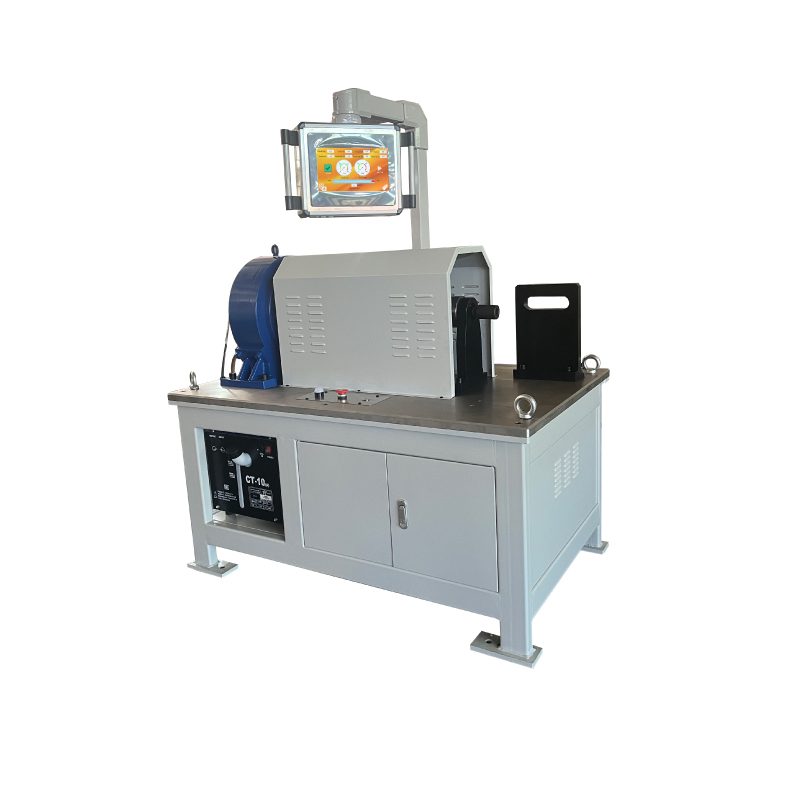
- Calibrate the tube rollers regularly with a dynamic torque tester, such as the TQM Series High Speed Dynamic Torque Tester, and keep the test results with the job file.
- File the records by tubesheet and joint number, and hand them over with the final documentation.
What to send us
To recommend a recording setup for your job, send us the following.
- Number of joints and the record requirements from the contract or inspection plan
- Tube material, OD and wall thickness
Frequently asked questions
Which tube rollers can export rolling records?
Alpha's servo systems, including the XR Series Tube Roller and the SRD Dual Servo Motor Tube Rolling System, export records via USB. Electric tube rollers that record rolling data per joint are also available. Send us your tube data and record requirements and we will recommend a tool.
How should rolling records be organized for handover?
File them by tubesheet and joint number, and include them with the final documentation together with the tube roller calibration certificates.
Why calibrate the tube roller if it already records data?
A recorded value is only useful if the tool is accurate. Regular calibration with a dynamic torque tester, with certificates kept on file, supports the records you hand to inspectors and owners.