How to Set Tube Rolling Torque for Different Tube Materials and Sizes
There is no single correct rolling torque. Set it by trial rolling the actual tube and tubesheet material, measure the wall reduction you get, and lock the torque that meets the design.
Common causes of wrong rolling torque
Torque is only a means to an end. The target is wall reduction. When the torque setting is copied from another job or another tube, the joint can come out under-rolled or over-rolled.
- Tube material: the same torque gives different results in copper, stainless steel, titanium and carbon steel.
- Geometry: tube wall thickness, tubesheet thickness and rolled length all change the torque required.
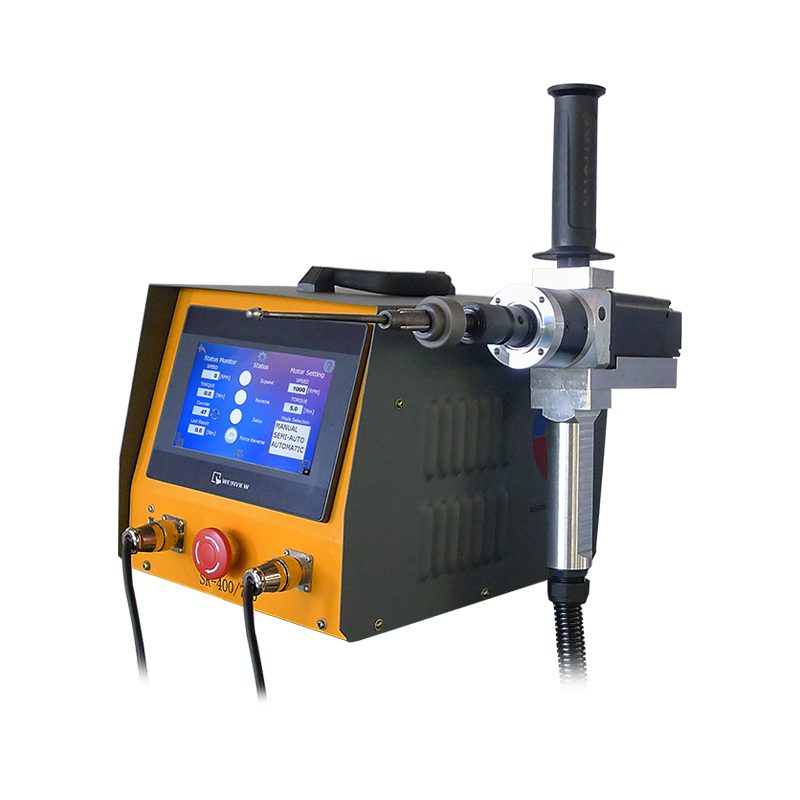
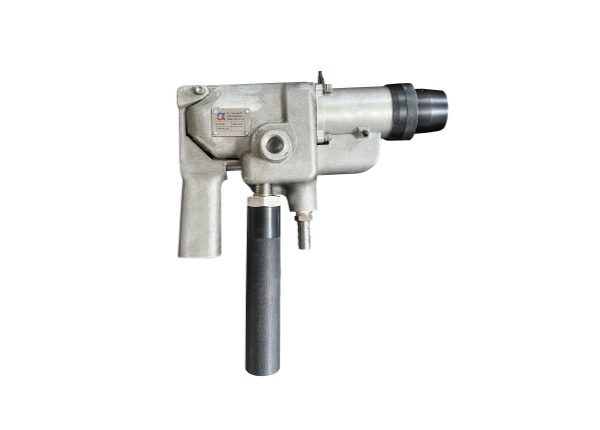
- Tool output: the tube roller's actual output torque can differ from its setting.
How to diagnose
Work from the acceptance criterion back to the tool. Confirm what wall reduction is required, measure what you actually achieved, then check what the drive is really delivering.
- Check the wall reduction required by the design or the applicable code.
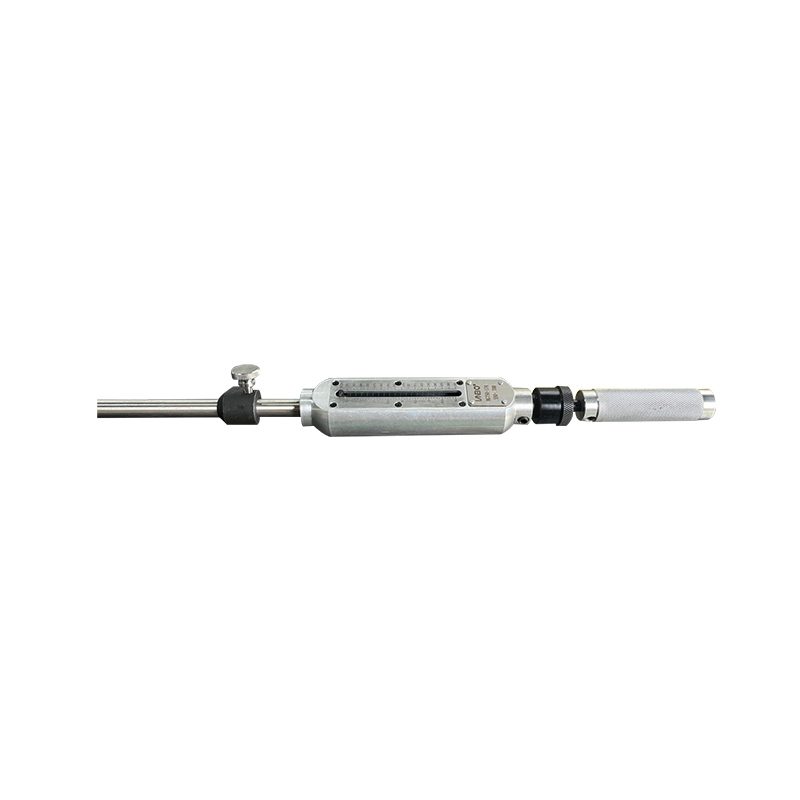
- Measure the tube ID after rolling with a tube ID gauge and calculate the actual wall reduction.
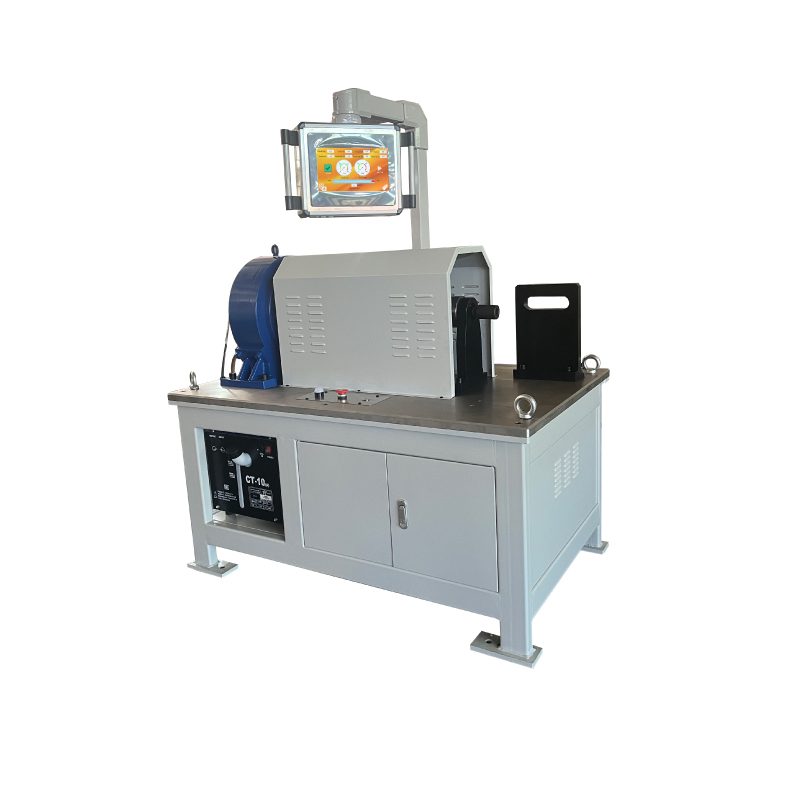
- Check the tube roller's real output with a dynamic torque tester while the tool is running.
How to fix it
Set torque on samples, not on the production bundle. Then hold it under control for the whole job.
- Make trial-rolling samples with the same tube and tubesheet material as the job.
- Start low and increase torque step by step. Measure the rolled ID at each step.
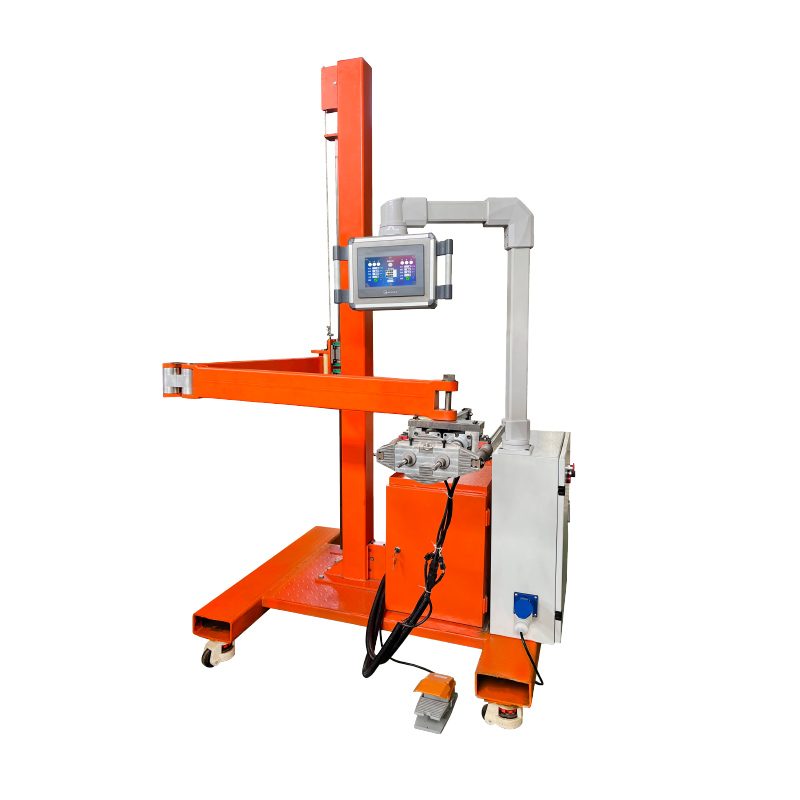
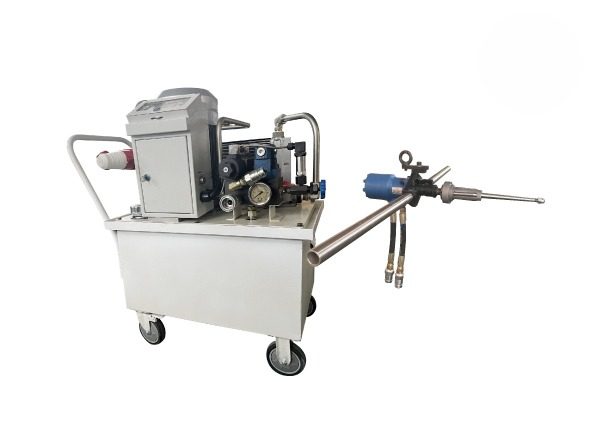
- Set and lock the torque that meets the design wall reduction. Some servo tube rolling systems have a built-in torque calculator to help with this.
- Keep rolling records during production and calibrate the tube rollers regularly.
What to send us
With this data, Alpha can recommend the tube roller, tube expanders and setup for your job.
- Tube material, OD and wall thickness (in inches, mm or BWG).
- Tubesheet thickness and tube hole size.
- Number of tubes.
- Site conditions: available power or air supply, and whether the work is in a hazardous (classified) area. In classified areas, only air-driven or hydraulic tube rollers apply, and the drive or power unit must be certified for the area classification on site.
- Required delivery date or outage dates.
- Required wall reduction or acceptance criteria.
Trial rolling support
Send us tube and tubesheet samples. We will run trial rolling and recommend the rolling torque and tube expanders for your application.
Frequently asked questions
Is there a standard tube rolling torque?
No. Torque is set by trial rolling for the tube material, OD, wall thickness and tubesheet, against the wall reduction the design requires.
How do I check if my tube roller torque is accurate?
Test the tool while it is running with a dynamic torque tester and compare the measured output with the setting.
How do I confirm the joint is rolled correctly?
Measure the tube ID after rolling with a tube ID gauge, calculate the actual wall reduction, and compare it with the value required by the design or the applicable code.