Rolled Tube Joints Leaking After Hydrotest: Causes and Fixes
Most rolled joints that leak on hydrotest were under-rolled, over-rolled, or rolled into a dirty or oversized tube hole. Find the leaking joints one by one, re-roll at the correct rolling torque, and replace any tube that still leaks or has a cracked end.
Common causes
A rolled joint holds because the tube is expanded tight against the tubesheet hole with the right wall reduction. Each of these breaks that condition.
- Under-rolling: rolling torque too low or rolled length too short. The tube is not tight in the hole.
- Over-rolling: too much torque thins the tube wall. The joint springs back or the tube end cracks.
- Dirty tube holes: corrosion, scoring, oil or old tube remnants left in the hole.
- Too much clearance between tube and hole, or grooves missing where the design calls for them.
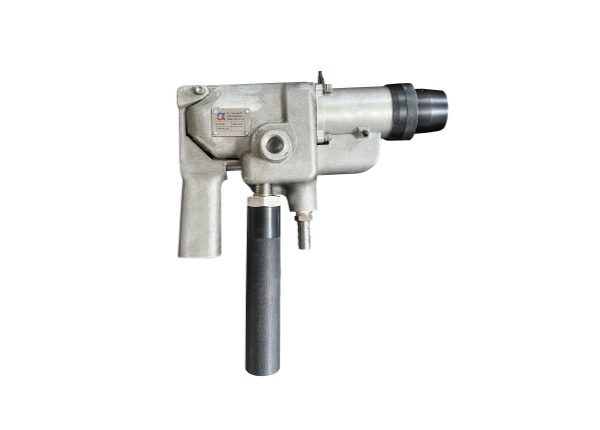
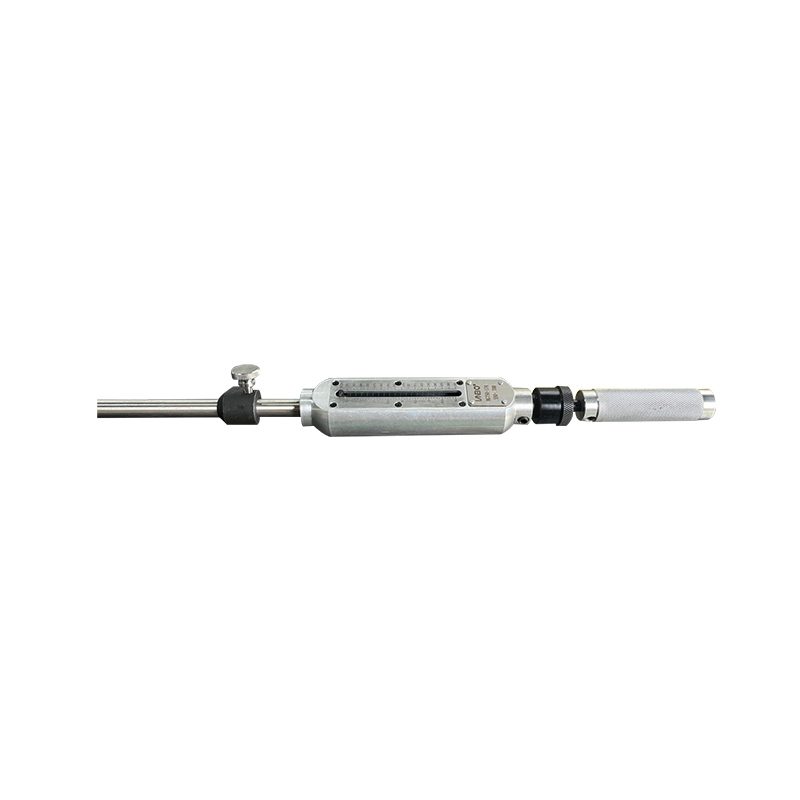
- Tool mismatch: the tube expander size does not match the tube ID, or the tube roller does not deliver consistent torque.
How to diagnose
Don't re-roll the whole tubesheet blind. Locate the leaks first, then look for a pattern.
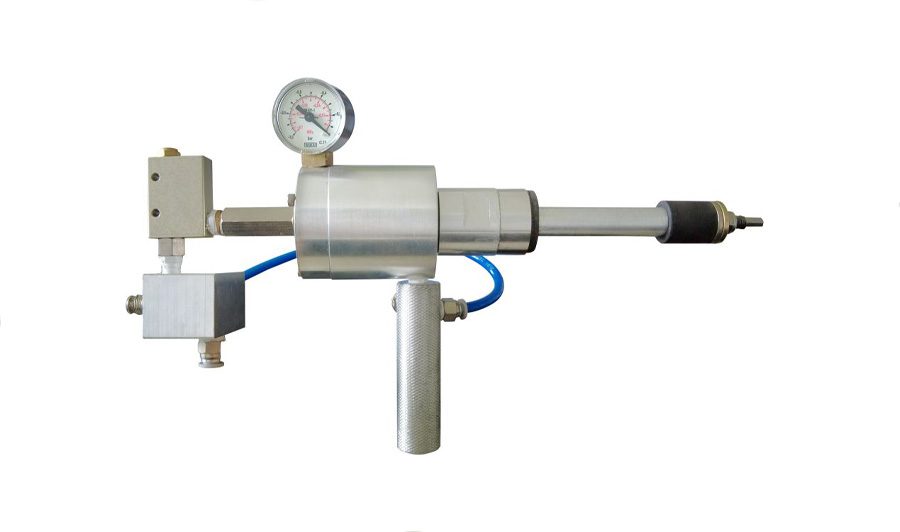
- Test joint by joint with a vacuum joint leak detector (VJLD). It shows exactly which joints leak.
- Measure the tube ID after rolling and check the wall reduction against the design value.
- Review the rolling records. Leaks clustered in one area, or traced to one tool, point to equipment or settings rather than individual joints.
How to fix it
- Re-roll the leaking joints at the correct rolling torque, then hydrotest again.
- If a joint still leaks, or the tube end is cracked from over-rolling, pull the tube and replace it.
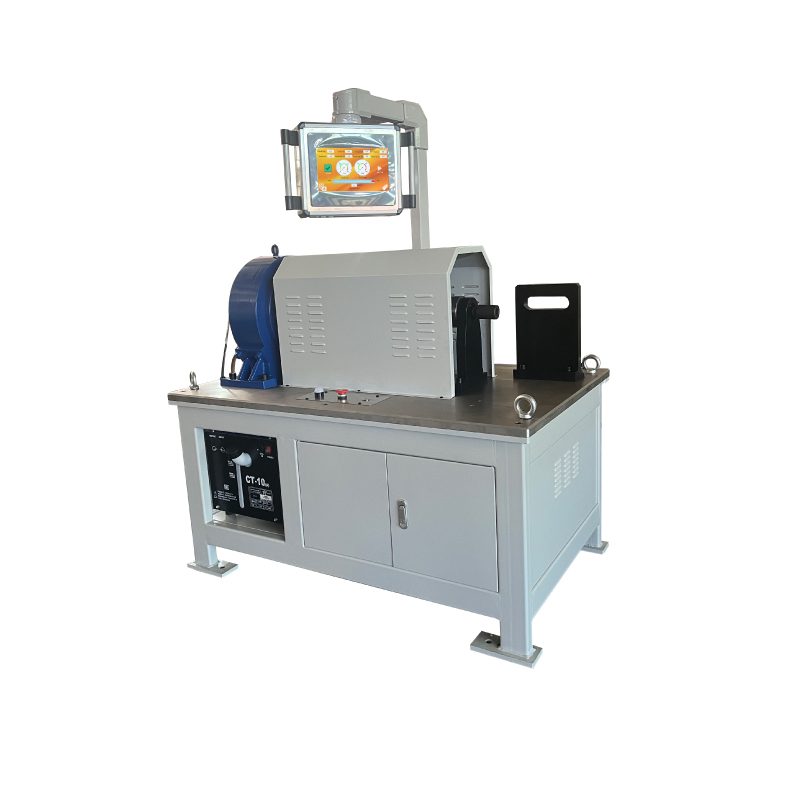
- If leaks are widespread, stop and find the cause. Calibrate the tube rollers with a dynamic torque tester and repeat trial rolling before continuing.
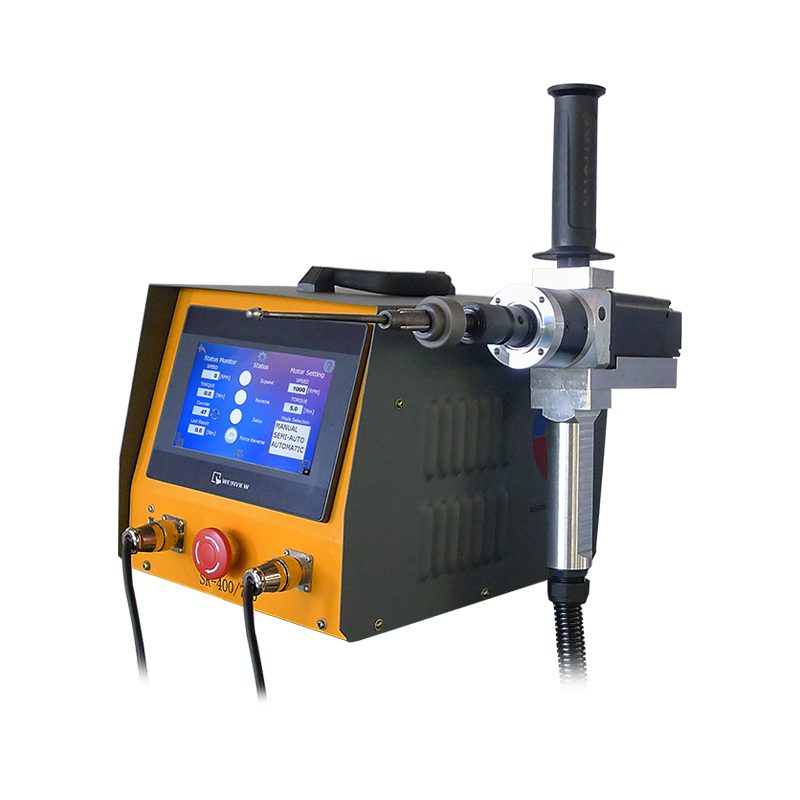
- Prevent repeat leaks: clean the tube holes before rolling, use torque-controlled or servo tube rollers, and keep rolling records for every joint.
Choosing the right tools
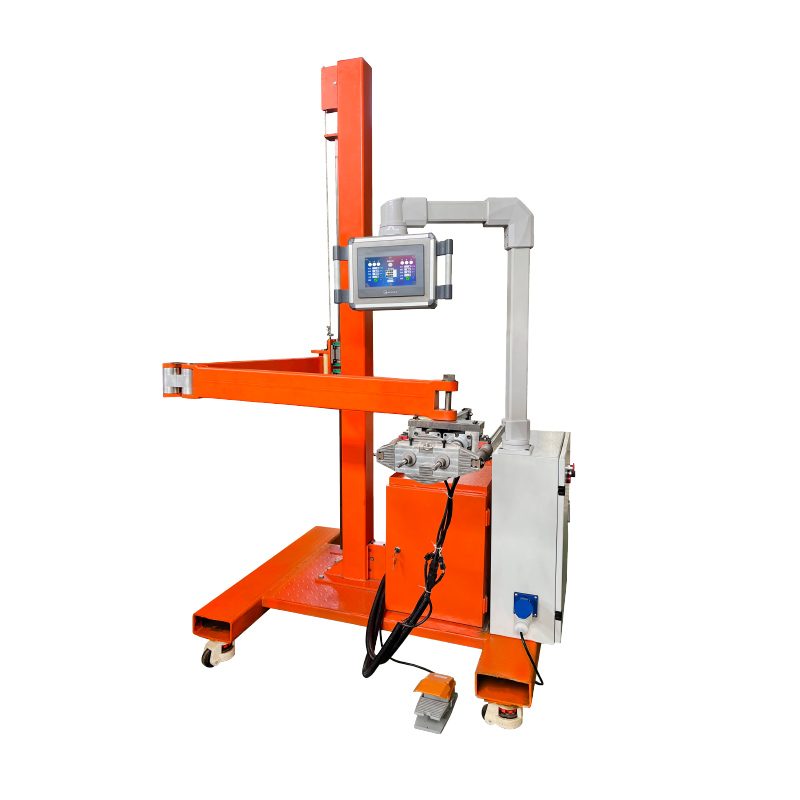
Re-rolling and retubing may call for tools beyond a standard expander, such as long-reach expanders, hydraulic tube pullers or internal tube cutters. Send us your tube data and Alpha will recommend the right tool for the job.
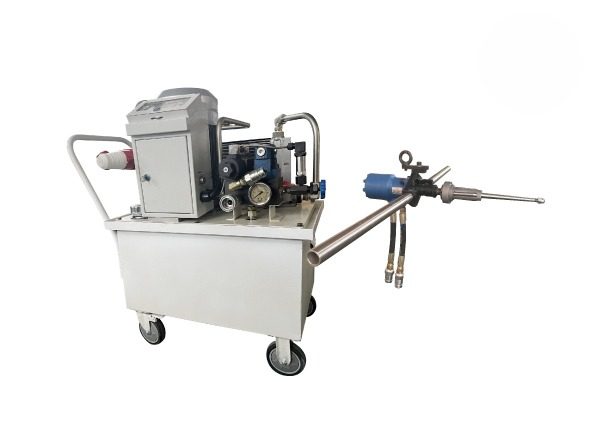
For hazardous (classified) areas, use only an air-driven or hydraulic tube roller, and make sure the drive or power unit is certified for the area classification on site. Servo and electric tube rollers are not for hazardous areas.
What to send us
To recommend tube expanders, tube rollers and test equipment, we need:
- Tube material, OD and wall thickness (mm or BWG)
- Tubesheet thickness and hole size
- Number of tubes
- Site conditions: power or air supply, and whether the area is hazardous
- Required delivery date or outage dates
Frequently asked questions
Can a leaking rolled joint be re-rolled?
Yes. Re-roll the leaking joint at the correct rolling torque and hydrotest again. If it still leaks or the tube end is cracked, replace the tube.
How do I prevent rolled joint leaks?
Clean the tube holes, set rolling torque from trial rolling, use a torque-controlled or servo tube roller, and calibrate it regularly with a torque tester. Keep rolling records so any leaks can be traced.
How do I find which joints are leaking?
Test joint by joint with a vacuum joint leak detector (VJLD). Then measure tube ID and wall reduction on the leaking joints and check the rolling records for a pattern by area or tool.
What tube roller can I use in a hazardous area?
Only an air-driven or hydraulic tube roller, with a drive or power unit certified for the area classification on site. Do not use servo or electric tube rollers in hazardous areas.