How to Choose a Tube Expander: the Tube Data We Need
The right tube expander depends on more than the tube OD. To match the expander to the job, we need the tube wall and material, tubesheet thickness, rolled length, joint type, and the square drive size of your tube roller.
Common causes of a wrong expander selection
Most mismatched expanders trace back to incomplete tube data at the quote stage.
- Only the tube OD was given. Without the wall thickness and tubesheet thickness, the expander's diameter range and reach cannot be set.
- The joint type was not specified. Parallel, tapered and flared joints call for different expander designs.
How to diagnose
Before rolling, confirm the expander fits the actual tube, not just the nominal size.
- Check that the expander range covers the tube ID both before and after rolling. The tube ID grows as you roll and reach the target wall reduction, so the expander must cover the full span.
How to fix it
Match the expander type to the tubesheet and the joint. Alpha can recommend the right tool from your tube data.
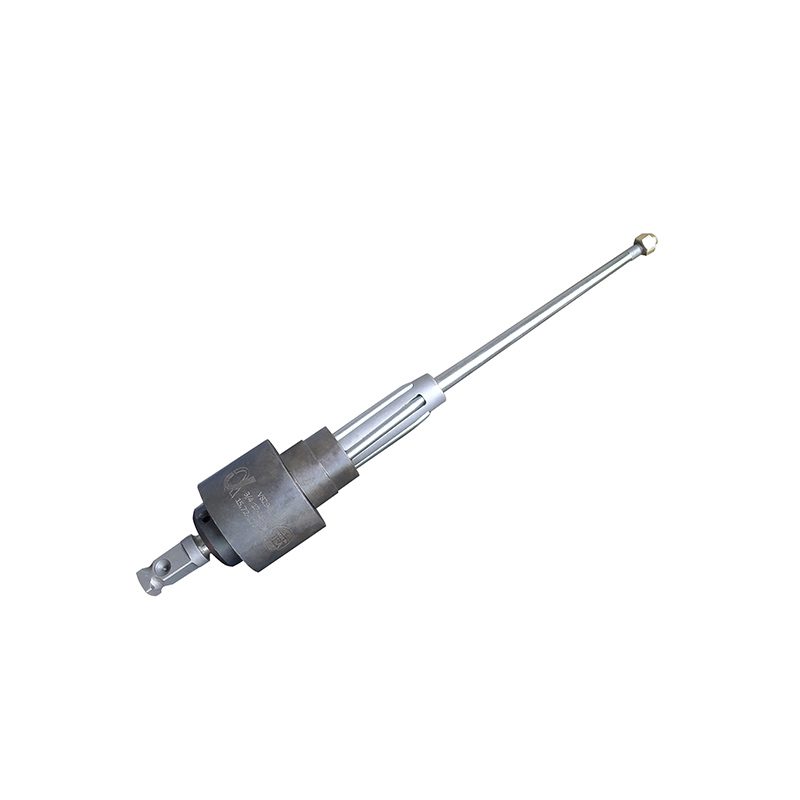
- Standard condensers and heat exchangers: standard expanders with three or five rolls.
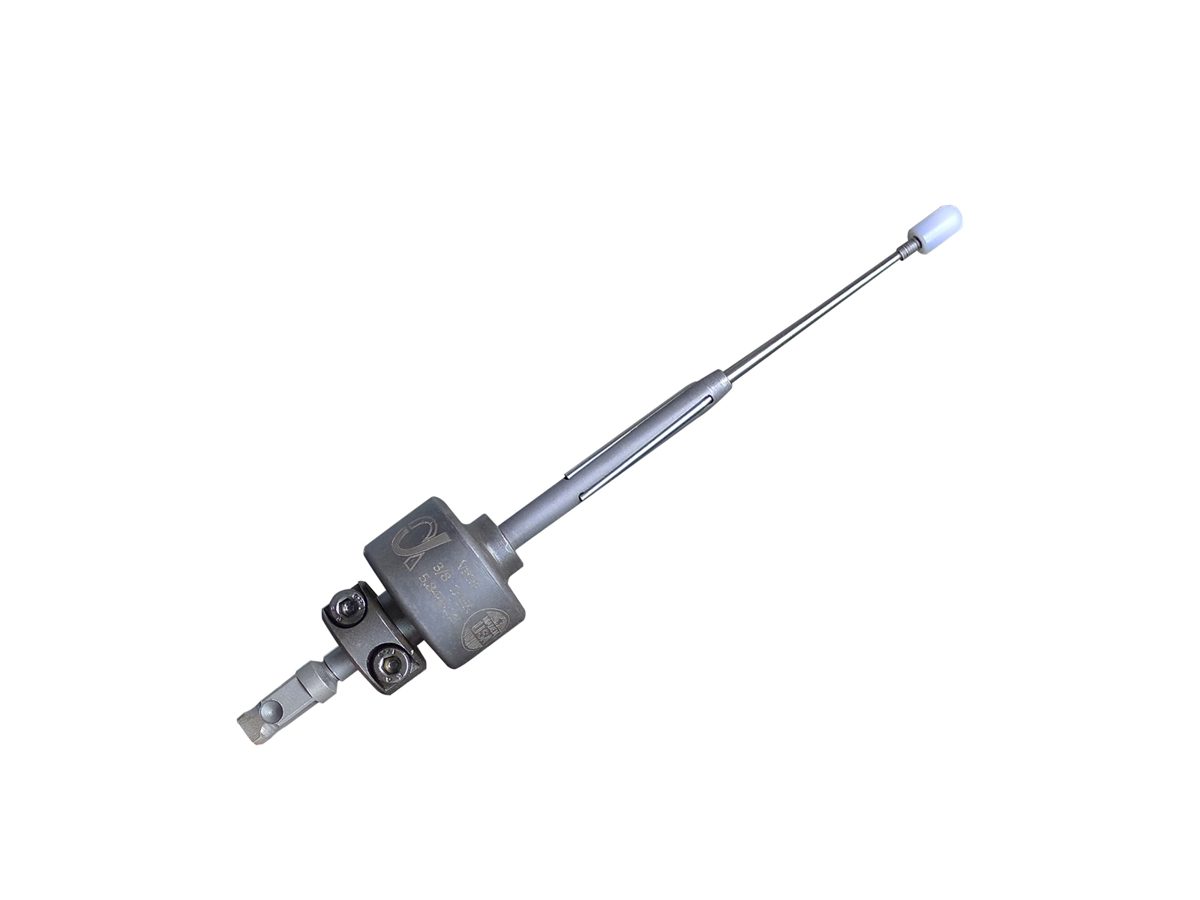
- Thick tubesheets: long-reach expanders.
- Intermediate tubesheets: intermediate long-reach expanders.
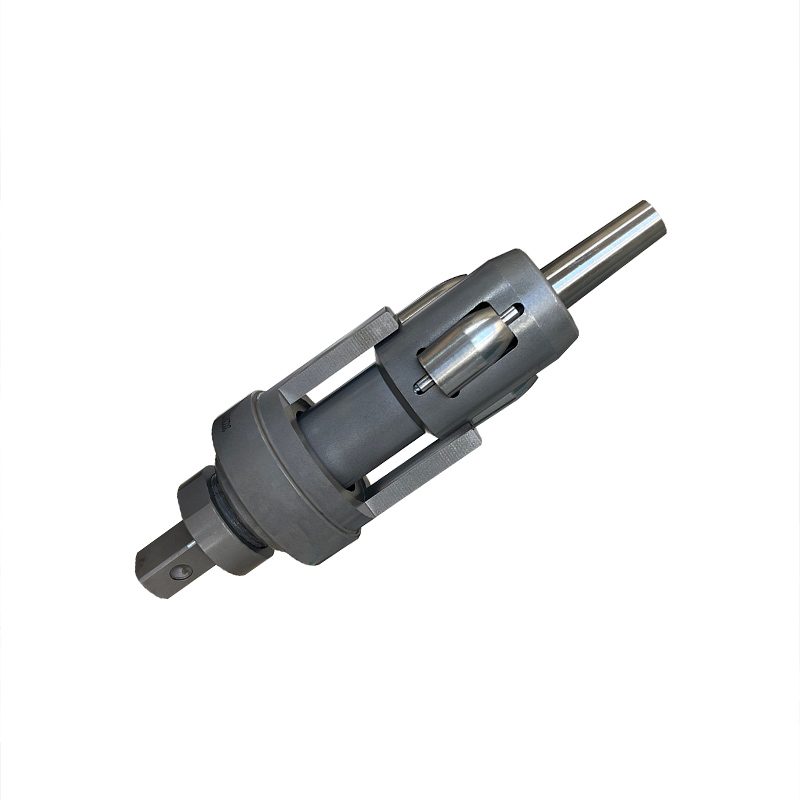
- Flared joints: flaring expanders.
What to send us
Send these details with your inquiry. We use them to select the expander and confirm it fits your tube roller.
- Tube OD, wall (in, mm or BWG) and tube material
- Tubesheet thickness and rolled length
- Joint type: parallel, tapered or flared
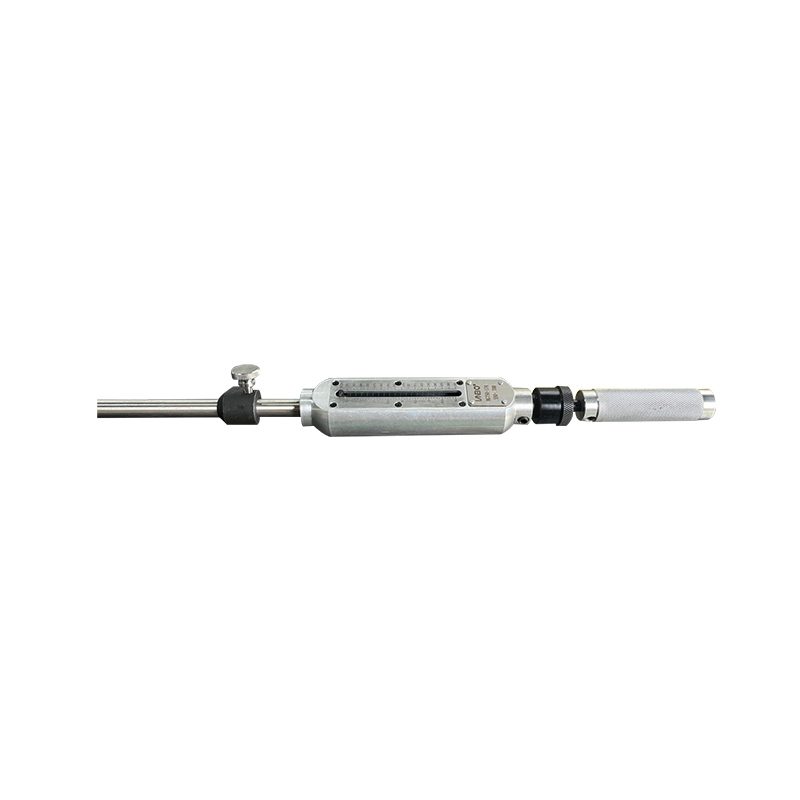
- Tube roller drive (square drive size)
Frequently asked questions
What information is needed to order a tube expander?
Tube OD, wall and material, tubesheet thickness, rolled length, joint type, and the square drive size of your tube roller.
Why isn't the tube OD enough to select an expander?
The expander works on the tube ID. The ID depends on the wall thickness, and it grows during rolling. The tubesheet thickness and rolled length set how much reach the expander needs.
Do parallel, tapered and flared joints need different expanders?
Yes. Tell us the joint type up front. Flared joints, for example, need a flaring expander rather than a standard one.