Tube Rolling in Hazardous Areas: How to Choose an Explosion-Proof Tube Roller
Do not use an electric or servo tube roller in a hazardous area. Use an air-driven or hydraulic tube roller instead, and make sure the drive or power unit is certified for the area classification on site.
Common causes
Two site conditions usually decide which tube roller you can use.
- Flammable gas or liquids are present on site. An electric tool is a potential spark source.
- Access is tight. The job needs portable tools that fit around piping, nozzles and channel heads.
How to diagnose
Before you pick a drive, confirm what the site allows and what it can supply.
- Confirm the hazardous-area classification with the site safety department.
- Check whether compressed air or a hydraulic power unit is available at the exchanger.
How to fix it
Match the drive to the utilities on site and to the tube joint you need to make. Servo and electric tube rollers are not suitable for hazardous (classified) areas.
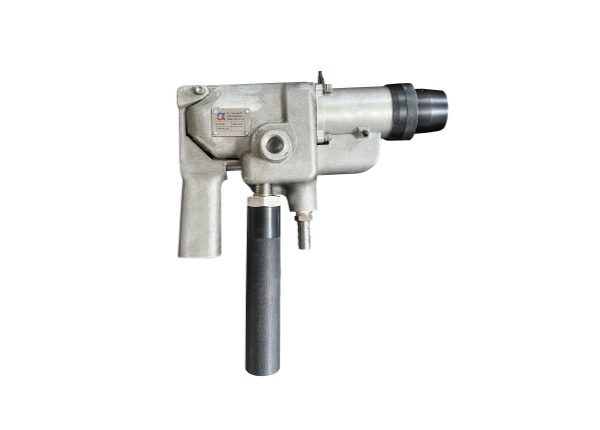
- Compressed air available: use the 850 Series Air-Driven Explosion-Proof Tube Rollers. The spark-free air motor controls rolling torque and stops automatically at the set torque. The air supply equipment must be certified for the area classification on site.
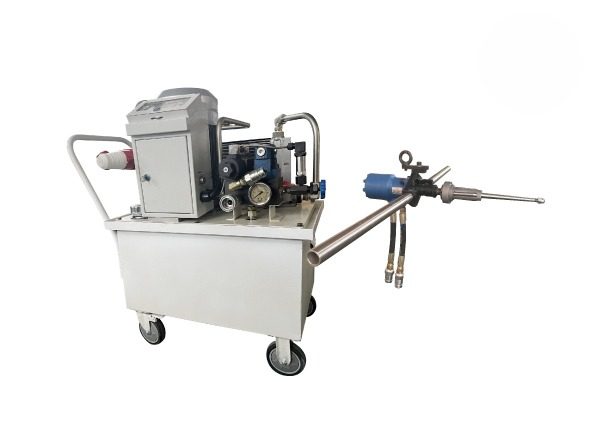
- High rolling torque or thick-wall tubes: use the HyDrive Series Hydraulic Tube Roller, which is available in an explosion-proof version. The hydraulic power unit must be certified for the area classification on site.
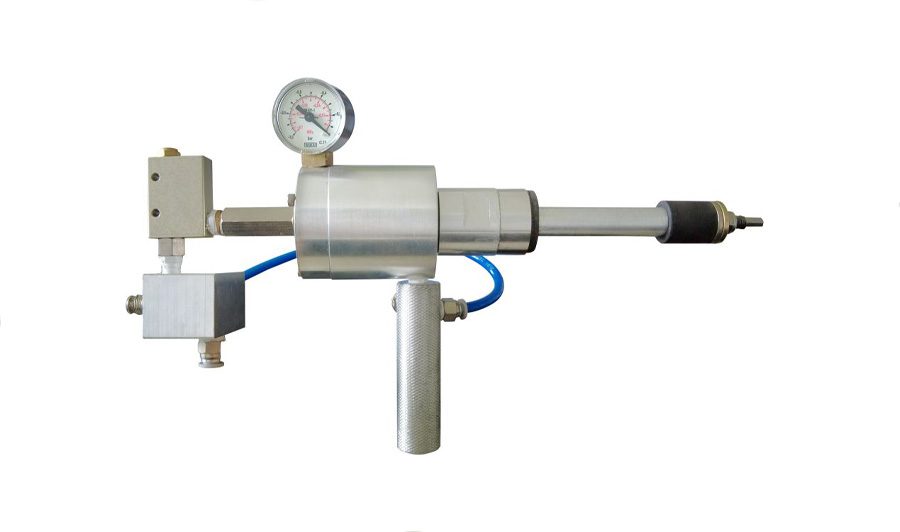
- After rolling, check the tube-to-tubesheet joints with the Vacuum Joint Leak Detector (VJLD).
What to send us
Send us the data below. We will recommend the tube roller, tube expanders and any other tools that fit your tubes and your site.
- Tube material, OD and wall thickness (inches or BWG; mm is fine too)
- Tubesheet thickness and tube hole size
- Number of tubes
- Site conditions: power or air supply, hazardous-area classification
- Required delivery date or outage dates
Frequently asked questions
Can I use an electric tube roller in a hazardous area?
No. Use an air-driven or hydraulic tube roller instead. The 850 Series air-driven rollers are spark-free, and the HyDrive Series hydraulic rollers are available in an explosion-proof version. In both cases the air supply equipment or hydraulic power unit must be certified for the area classification on site.
Which roller should I choose for thick-wall tubes in a classified area?
Use a hydraulic tube roller such as the HyDrive Series for high rolling torque or thick walls, with a power unit certified for the area classification. Send us your tube and tubesheet data and we will confirm the setup.
How do I check the rolled joints afterwards?
Test the tube-to-tubesheet joints with a vacuum joint leak detector such as the Alpha VJLD.