Leaking Heat Exchanger Tubes: Plug or Retube?
Plug a few leaking tubes to get the unit back on line fast. Retube or replace the bundle when plugged tubes approach the design margin or plant limit, performance drops, or the tubes show general wall loss.
Common causes
Tube leaks rarely come from one isolated defect. Most trace back to a damage mechanism that keeps working on the rest of the bundle.
- Corrosion, erosion or vibration wear
- Long service with general wall loss
How to diagnose
The question is not only where the leak is, but how much life the bundle has left. Check three things before you decide.
- Count plugged tubes and compare the total against the design margin or plant limit.
- Review performance data such as approach temperature. A steady drift points to lost heat transfer surface.
- Pull sample tubes and measure wall loss. Localized damage supports plugging; general thinning supports retubing.
How to fix it
Match the repair to the condition of the bundle.
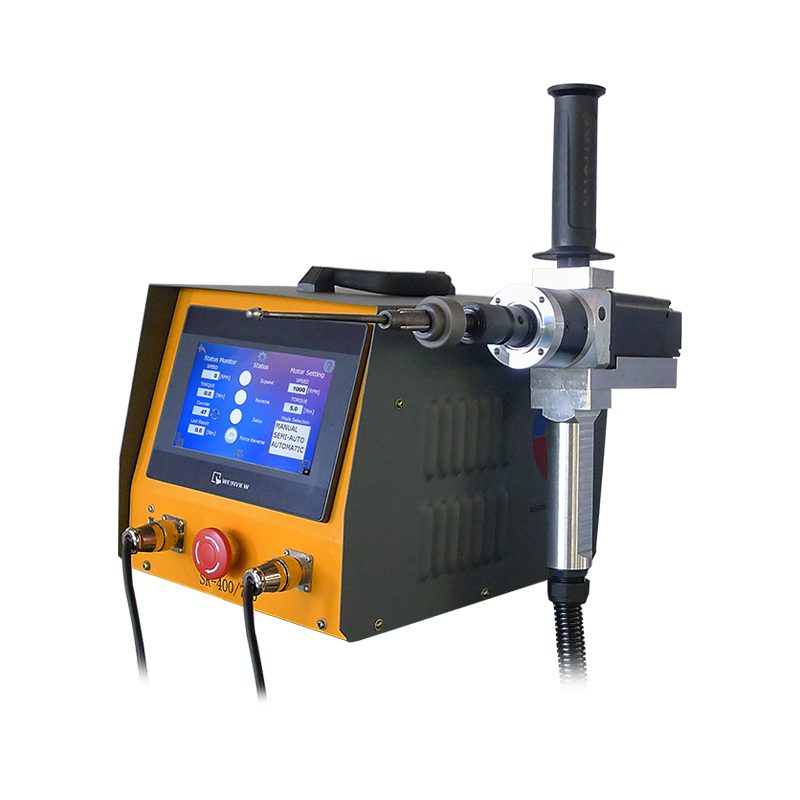
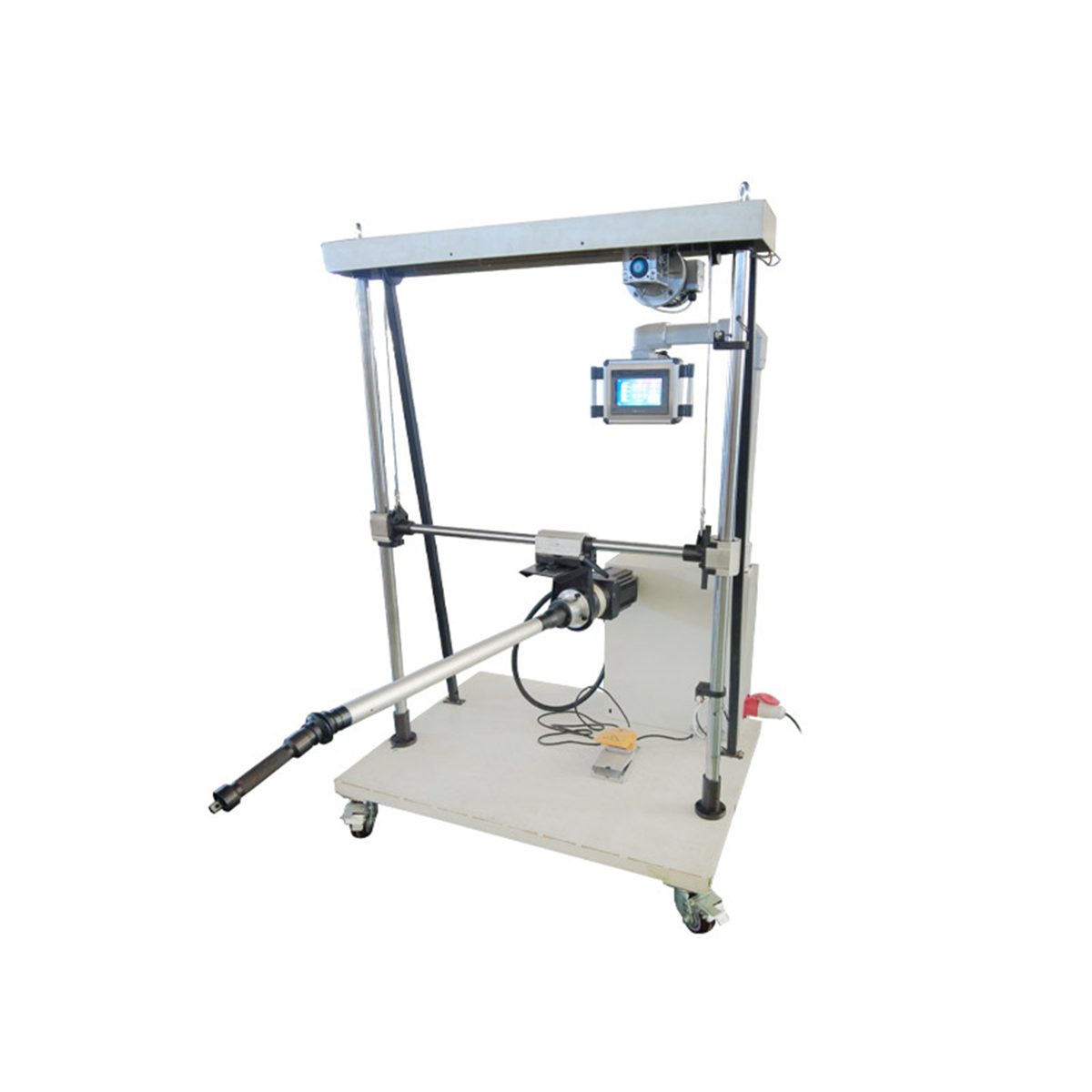
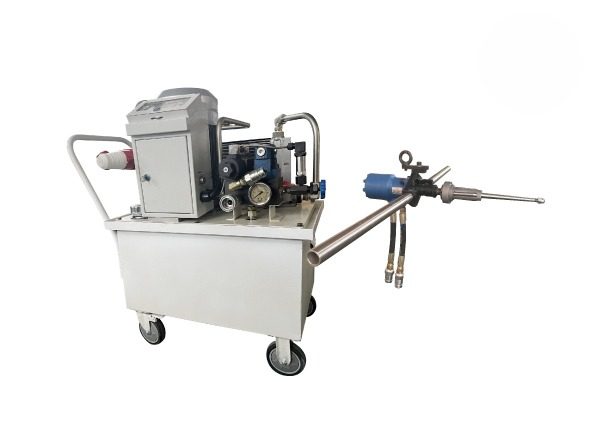
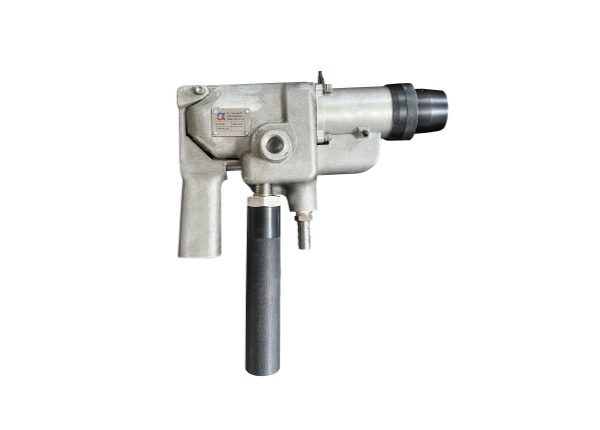
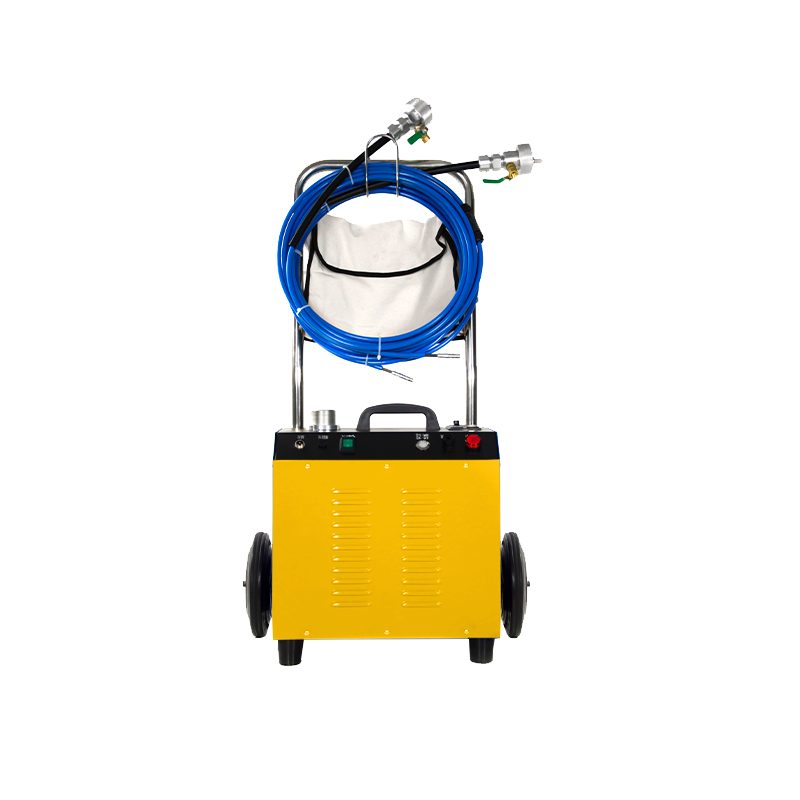
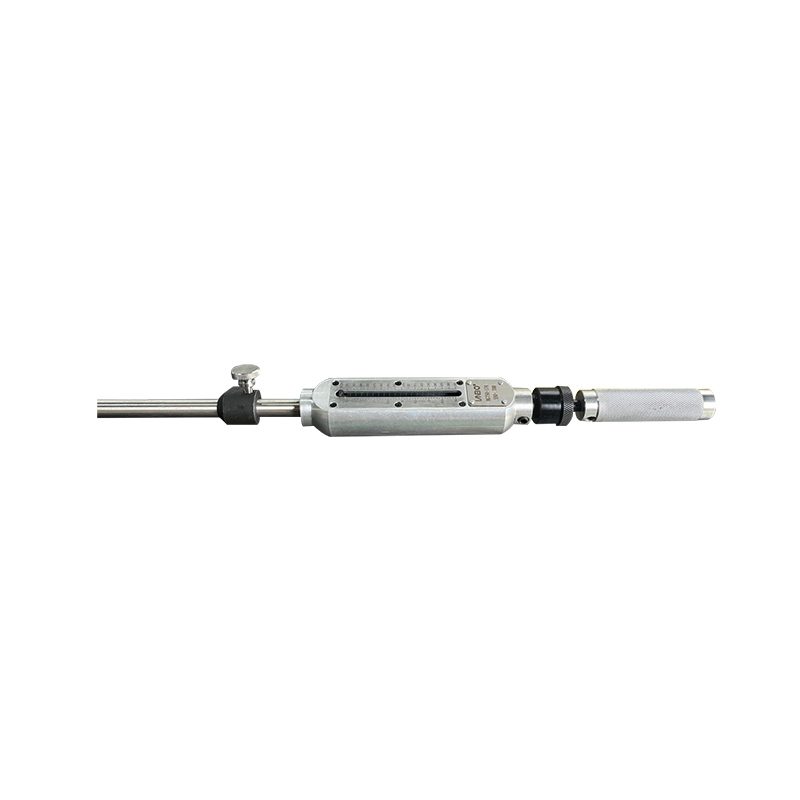
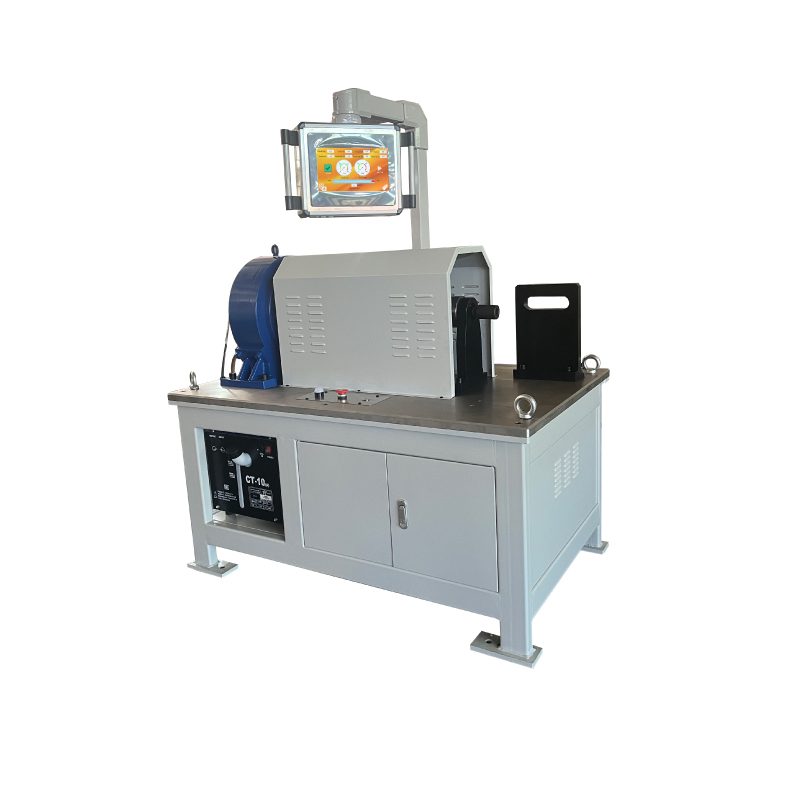
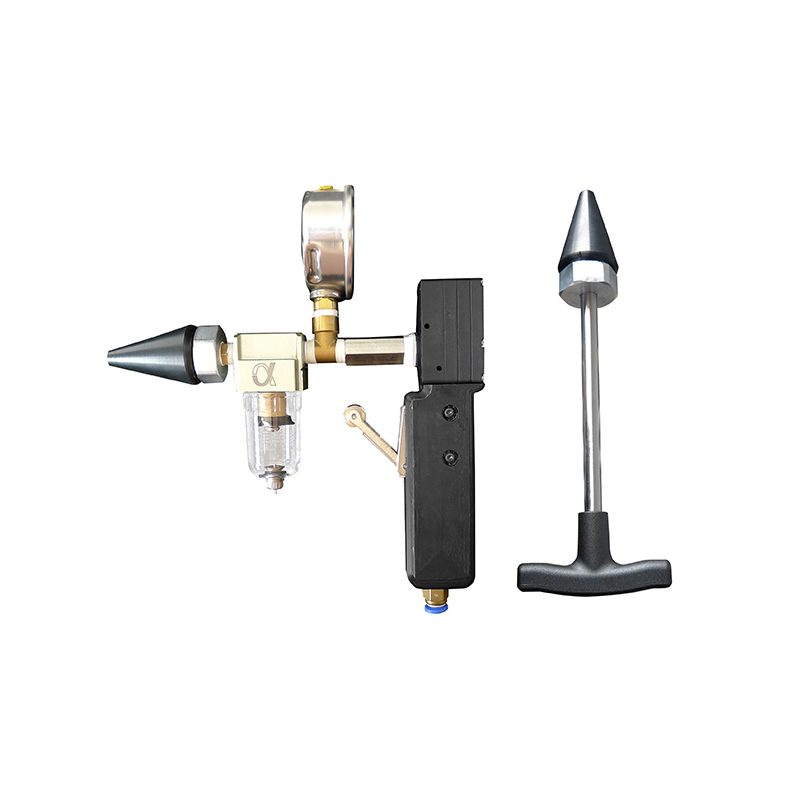
For the retube itself, Alpha supplies equipment for each step: tube cutting and removal tools, tube cleaning machines for the tubesheet holes, a tube hole gauge to check hole size before installation, tube expanders and tube rollers for rolling, and leak detectors for the final test. Alpha can recommend the right cutters, pullers and expanders from your tube data.
In hazardous (classified) areas, use only air-driven or hydraulic tube rollers, and confirm the drive or power unit is certified for the area classification on site. Servo and electric tube rollers are not for classified areas.
- A few leaks: locate and plug them to get back on line quickly.
- Near the plugging limit or general wall loss: plan an outage to retube or replace the bundle.
- Retube sequence: cut → pull → clean holes → install → roll → trim → weld (if required) → leak test.
What to send us
Send this data and Alpha will help you select tools for plugging or retubing.
- Equipment type, tube material, number of tubes and number of tubes already plugged
- Planned outage dates
Frequently asked questions
When should I retube instead of plugging?
When plugged tubes approach the design margin or plant limit, performance drops noticeably, or the tubes show general wall loss.
How do I confirm whether wall loss is local or general?
Pull sample tubes and measure the wall. Localized damage can be handled by plugging; general thinning means the remaining tubes are likely to fail and the bundle should be retubed or replaced.
What is the typical retube sequence?
Cut, pull, clean the tube holes, install new tubes, roll, trim, weld if required, then leak test.
Can I roll tubes in a hazardous area?
Use only air-driven or hydraulic tube rollers, with a drive or power unit certified for the area classification on site. Do not use servo or electric tube rollers in classified areas.