How to Remove Tubes from a Condenser or Heat Exchanger Faster
Tube removal usually runs slow for three reasons: the puller doesn't have enough force, each spear has to be threaded into the tube, or tubes break off in the tubesheet. Cut the tubes at the support plate first, then match the puller and spear type to the tube and the space you're working in.
Common causes
Most slow retubes trace back to one of these.
- Old tubes are tightly rolled and fouled, and the puller doesn't have enough force.
- Screw-type spears have to be threaded into every tube.
- Tubes break inside the tubesheet.
How to diagnose
Before changing tools, find out where the time actually goes.
- Compare tube size and wall thickness with the puller's rated pull.
- Time each step — cutting, spear setup, pulling, clearing broken tubes — to see where the hours go.
How to fix it
Work through the job in this order. Alpha can recommend the right cutter, puller and spear type from your tube data.
- Cut the old tubes first, from the inside, at the support plate with an internal tube cutter. This reduces the pulling force needed.
- For large retubes, use a hydraulic tube puller with collet-type spears. There is nothing to thread in, so setup per tube is faster.
- For hard-to-pull tubes, use a hydraulic tube puller with screw-type spears for a positive grip.
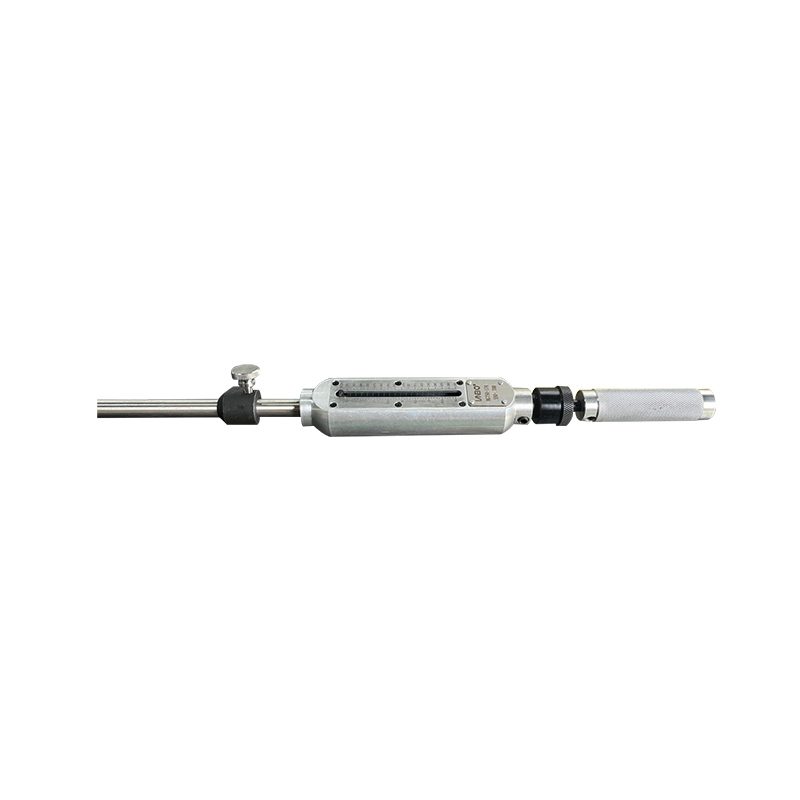
- In tight spaces, use a portable tube puller.
- Remove tubes that break inside the tubesheet with a broken tube extractor or a tube chisel.
What to send us
Send this data and we'll recommend the tools for your job.
- Tube material, OD and wall thickness (mm or BWG)
- Tubesheet thickness and tube hole size
- Number of tubes
- Site conditions: available power or air supply, and whether the area is hazardous (classified)
- Required delivery date or outage dates
Frequently asked questions
Which tube puller should I use for a condenser retube?
For large retubes, a hydraulic puller with collet-type spears, since nothing has to be threaded in. For hard-to-pull tubes, a hydraulic puller with screw-type spears. In tight spaces, a portable puller. Send us your tube data and Alpha will recommend the right setup.
Should tubes be cut before pulling?
Usually yes. Cutting the tube from the inside at the support plate first reduces the pulling force needed.
What do I do when a tube breaks inside the tubesheet?
Remove the remaining stub with a broken tube extractor or a tube chisel.