How Do You Roll Thick-Wall and Large-Diameter Steel Tubes?
Thick-wall and large-diameter steel tubes need more rolling torque than a standard tube roller delivers, and more reaction torque than an operator can hold by hand. The fix is to match the drive to the tube size and wall: a large-tube electric roller or a hydraulic roller, with a reaction arm or balancing arm taking the load.
Common causes
When a roll job on heavy steel tubes goes wrong, it is usually one of two things.
- The tube size and wall need more rolling torque than the tool can deliver.
- The operator cannot hold the reaction torque steadily, so the tool kicks or the expansion is inconsistent.
How to diagnose
Start with the numbers, then watch the tool.
- Compare the tube OD and wall thickness with the tube roller's rated range. If the tube is outside it, the drive is undersized.
- Watch the tool during rolling. If it stalls or slows sharply before reaching set torque, it does not have the torque for the job.
How to fix it
Pick the drive for the tube, not the other way around. Alpha can recommend the right tube roller and tube expander from your tube data.
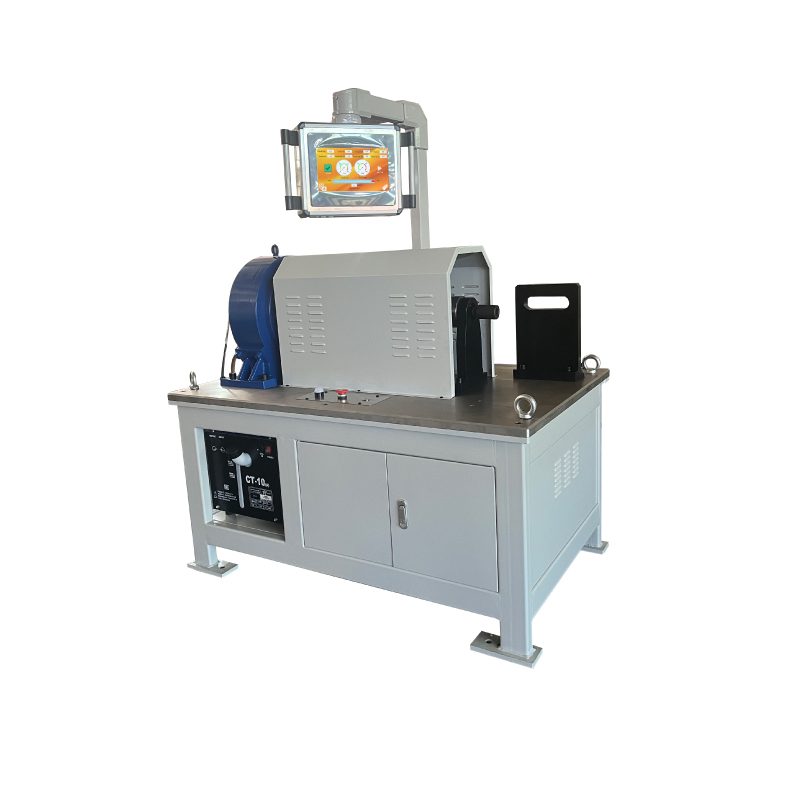
- Thick-wall tubes from 1.772 in to 6.26 in OD (Φ45–Φ159 mm): use a large-tube electric tube roller sized for that range. Electric rollers are not for hazardous (classified) areas.
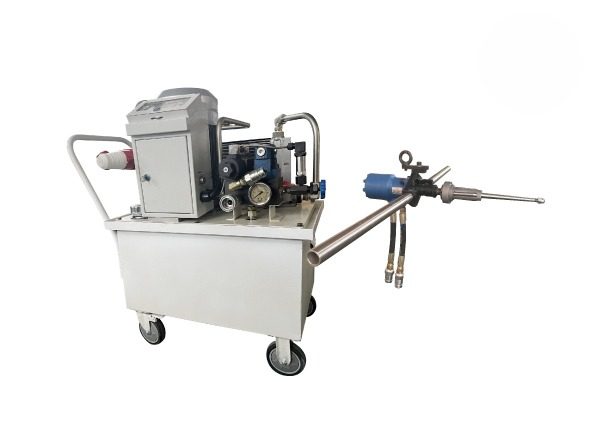
- High torque or hazardous areas: use a hydraulic tube roller. In a classified area, the hydraulic power unit must be certified for the area classification on site.
- Rolling and flaring in one pass: use a flaring tube expander, which expands the tube and flares the tube end in the same operation.
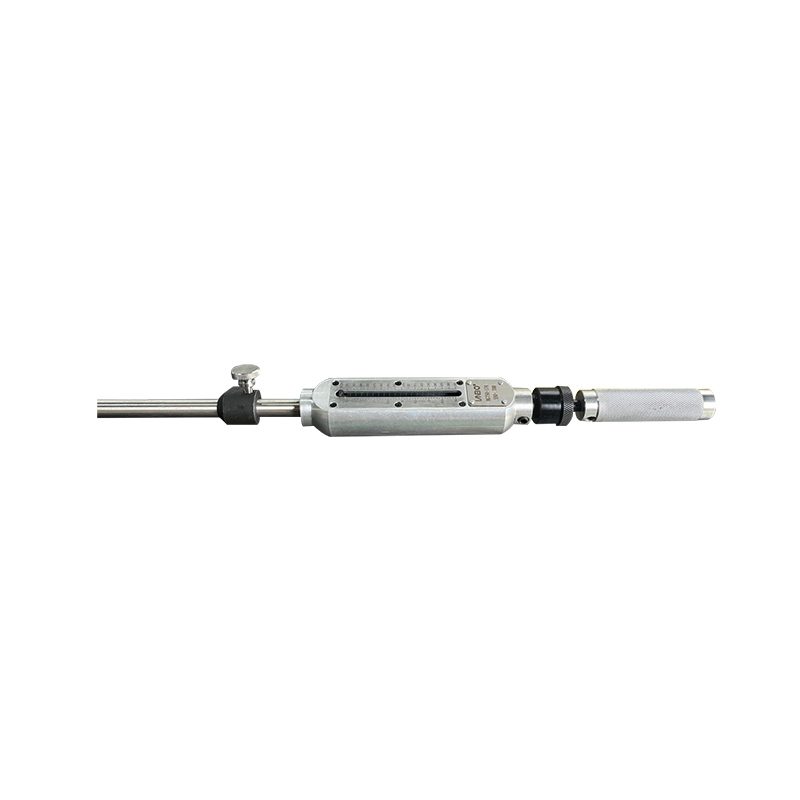
- Take the reaction torque off the operator with a balancing arm or reaction arm. This keeps the tool steady and the rolling torque repeatable from tube to tube.
What to send us
Send the following and we will match the tube roller, tube expander and accessories to your job.
- Tube material, OD and wall thickness (inch, mm or BWG)
- Tubesheet thickness and tube hole size
- Number of tubes
- Site conditions: power or air supply, and whether the work area is hazardous (classified)
- Required delivery date or outage dates
Frequently asked questions
What tool rolls large-diameter steel tubes?
Large-tube electric tube rollers cover thick-wall tubes from 1.772 in to 6.26 in OD (Φ45–Φ159 mm). Hydraulic tube rollers suit higher torque or hazardous areas. Send us your tube data and we will recommend the right tool.
Can I use an electric tube roller in a hazardous area?
No. For hazardous (classified) areas use a hydraulic tube roller, and make sure the hydraulic power unit is certified for the area classification on site.
Why does my tube roller stall on thick-wall tubes?
The tube OD and wall need more rolling torque than the tool can deliver. Check the tube against the roller's rated range and move to a larger electric roller or a hydraulic roller.
How do I stop the tool kicking back at the operator?
Use a balancing arm or reaction arm to take the reaction torque. The operator then only guides the tool, and the rolling stays consistent.